
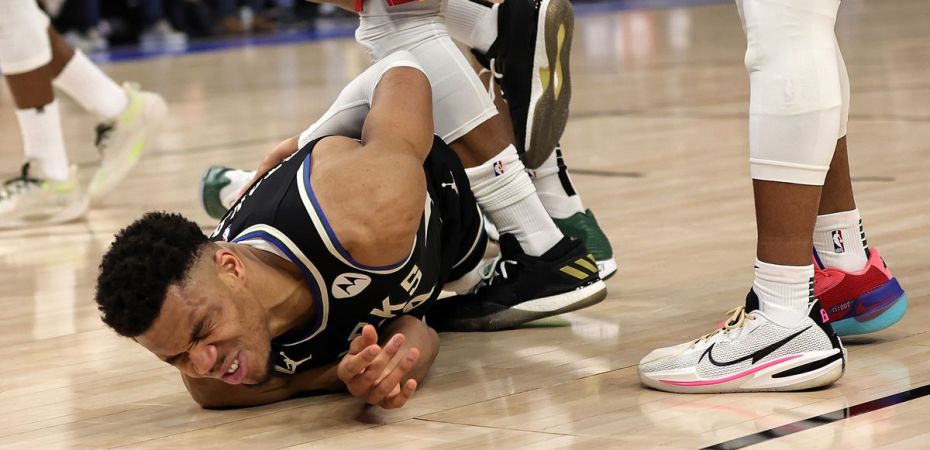
One of the NBA’s oldest rules, the charge, is a foul in basketball when an offensive player has made significant contact with a defender in an established position.
The charge foul dates back to 1928, when the NCAA introduced it into college basketball. Even though it has been in the game so long, only recently has there been controversy, with many fans, players, coaches, and analysts questioning the safety of the charge and whether the charge is a basketball play.

For example, Dallas Mavericks owner Mark Cuban proposed a logical rule change last season, requesting the NBA to move the restricted circle further away from the basket to prevent injury, but the NBA did not listen. Cuban said, “I asked multiple times. Unsurprisingly, nothing has changed.”
Saint Paul’s senior Samuel Drez believes that the charge rule is beneficial to the NBA.
The charge call is good for the NBA because it is balanced. It allows defenders to force an offensive player with momentum to stop or commit a foul.
Without a foul call for the charge, players would be allowed to run through players with no repercussions. For instance, if 6’11, 243 lbs Giannis Antetokounmpo was running full speed to the rim, and the only one between him and a bucket were a measly 5′ 8, 160 lbs Marquis Nowell, Antetokounmpo would run through him like a train.
The NBA has increasingly become an offensive-dominant league, and foul calls have been given to the offense more and more. On the other hand, the charge call is a much-needed penalty that was given for the defenders to attempt to draw fouls. Players can bend the rules and work around a foul call in almost every instance on offense. For example, the “zero step” has been abused by players like James Harden and Kyrie Irving, giving them the ability to travel seemingly. It is only fair for defensive players to get some sort of advantage to level the playing field.

Recently, basketball and the NBA fans have been displeased with the charge. Players have been getting injured due to other players trying to draw the foul, but it would be more risky if the defender attempted to jump and contest the shot. If both players fall down on top of each other, there would be a higher risk of injury, and fans would be more upset.
Saint Paul’s sophomore Brady Johnson believes the charge rule is detrimental to the NBA.
The charge call is terrible for the NBA because it is not a basketball play, is highly unsafe, and is outdated.
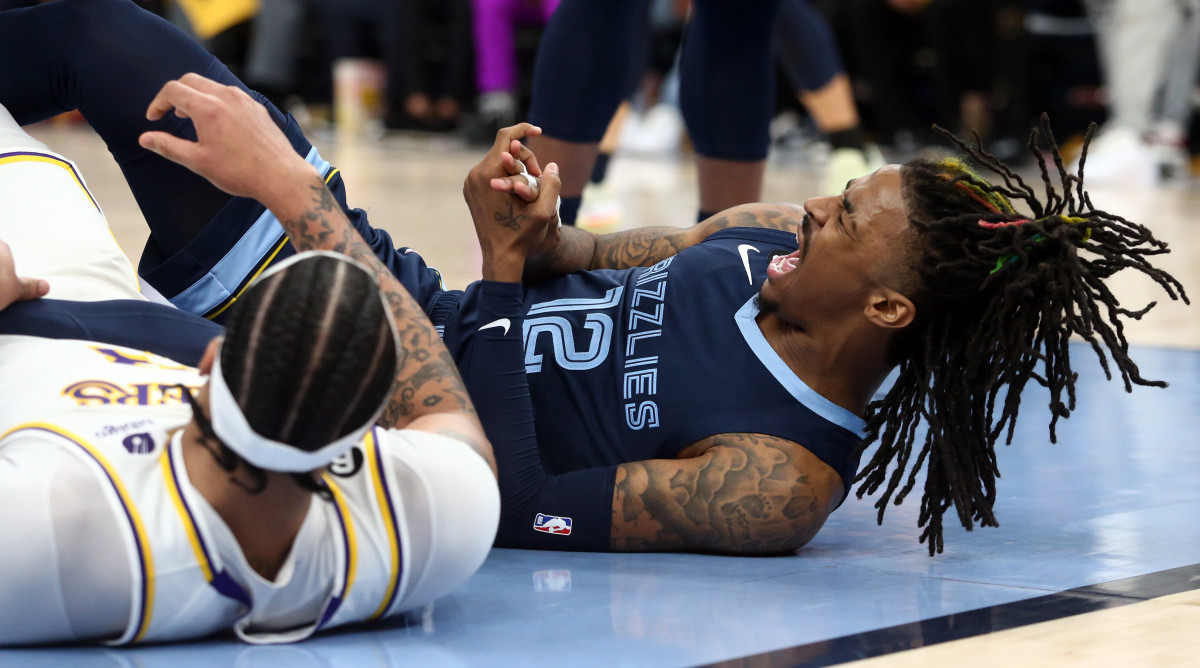
The charge is the most hazardous “play” in basketball; it can potentially cause a season or even career-ending injury. For example, last year, two superstars, Giannis Antetokounmpo and Ja Morant, were injured in the playoffs because an opponent attempted to draw a charge. In both cases, each respective team lost the series partially due to the injuries on the star.
Additionally, the charge rule needs to be updated. Players nowadays and players in the mid-1900s are entirely different. First, the modern NBA player is significantly more athletic than a player in the 1950s-70s, and with athleticism comes a higher risk of injuries, especially with a rule that allows defensive players to undercut an offensive player in midair.
Furthermore, in the mid-1900s, the game was more methodical, a “grind-it-out” style of play. Players relied heavily on physicality and brute force, and drawing charges was considered a legitimate defensive tactic. However, now the charge is seen as an easy way for bad defenders to force a turnover.
In addition to a charge being dangerous to players and outdated, it is not a basketball play. For instance, when thinking of excellent defensive plays, almost everyone would think of some play on the ball, whether a blocked shot, an altered shot, a steal, etc. A charge is the opposite of a play on the ball and is a cheap cop-out to weaker defenders. A charge punishes taller, stronger, and quicker players for their physical attributes and is the only call in the games that does so.
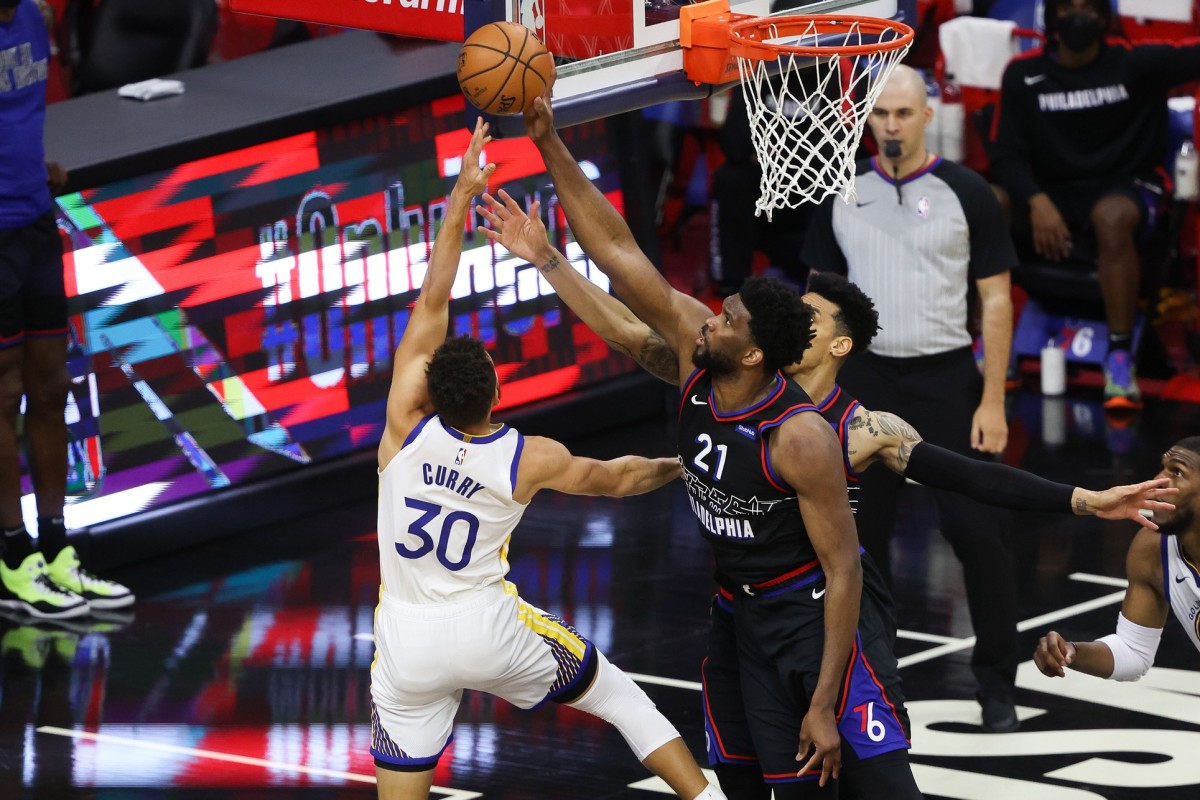
For example, if Joel Embiid and Steph Curry are fighting for a rebound, is Curry allowed to push Embiid out of the paint because he can’t grab the rebound? No! That is a loose ball foul. In this same context, why should Curry be rewarded with an option to force a turnover because he can’t challenge Embiid’s shot or strip the ball from him?
Overall, the charge foul is detrimental to a player’s health and safety, is outdated, and is a non-basketball play. It takes the basketball out of basketball.
Featured Image Credit: Stacy Revere, Getty Images
 The Paper Wolf