

Processed foods are extremely dangerous for people’s health and, in some cases, deadly, yet they have become a societal norm in America.
According to LHSFNA, heavily processed foods often include unhealthy amounts of added sugar, sodium, and fat. These ingredients make our food taste better; however, too much of them leads to serious health issues like heart disease, obesity, high blood pressure, and diabetes.
An estimated 300,000 Americans die each year due to the obesity epidemic. According to the National Institute of Health, obesity and being overweight together make up the second leading cause of preventable death in America.
It might be surprising how bad certain foods are for people’s health because they are so common in everyday life. For example, processed meats are one of the worst things one can put into one’s body. They’re high in sodium and saturated fats and filled with sodium nitrate (a commonly used preservative that adds color and flavor to meats) and often other chemicals and dyes, per Today.com.
Most Americans aren’t even aware of the fake preservatives in the foods they eat. For example, Saint Paul’s sophomore Luca Rodas stated, “Growing up, I had a general understanding of processed foods and how they were bad for me, but I had no idea how many foods were processed. After learning this information, I’ve made an effort to cut back on my meat consumption.”
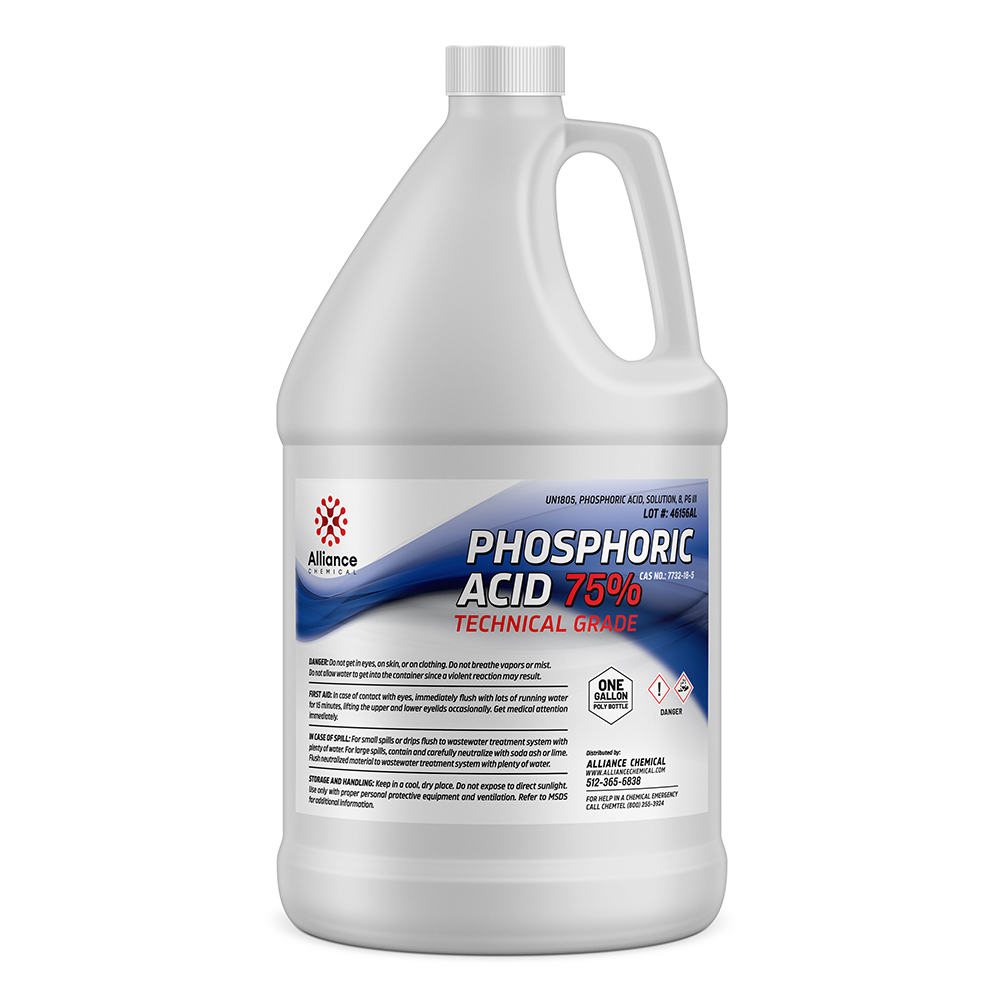
In addition to meat having dangerous chemicals, drinks can also be very unhealthy. Sports drinks and soft drinks contain phosphoric acid. Phosphoric acid is a colorless, odorless, but very harmful chemical. It is used in drinks to minimize tartness, reduce growth of bacteria and fungi, and improve shelf life. Too much consumption of phosphoric acid has been linked with kidney stones, chronic kidney disease, and urine changes. Some soft drinks that contain phosphoric acid are Coca-Cola and Root Beer, per the National Institute of Health.
Many people are addicted to soft drinks, therefore, and they should try and drink healthier alternatives such as sparkling water, kombucha, sparkling green tea, water with mint and cucumber, herbal teas, and coconut water, or simply water, per medicinenet.com.
According to Macros Inc, a good rule of thumb when buying food at the grocery store is that when reading food labels, if you can’t pronounce it, you should not buy the product.
Another rule of thumb is to avoid the middle aisles of grocery stores. Saint Paul’s teacher, Nick Guarisco, lives by this rule. “When I go to the grocery store, I make a lap around the outside of the store, avoiding the middle aisles. The vast majority of the food products in those aisles are processed, whereas the sides and back of grocery stores contain fruits, vegetables, meat, eggs, etc. All of the healthy and organic foods are on the outskirts.”
According to nih.gov, by the late 1930s, a variety of agrochemicals were commonly used, and food additives were becoming common in processed foods. During the 1940s and 1950s advances were made in the effects of poison, and more systematic approaches were adopted for evaluating the safety of chemical contaminants in food.
As a result, Organic foods started being produced. Organic foods are produced without synthetic human-made pesticides. They are prepared the way food should be, and more people need to make a change in food choices for their health. This is why they are more expensive; we are paying for quality products that have fewer chemicals and toxic pesticides.
The processed food market isn’t discussed enough, and more people need to be aware of what they are really putting in their bodies. Therefore, everyone should read the labels and understand the effects of these chemicals.
 The Paper Wolf