
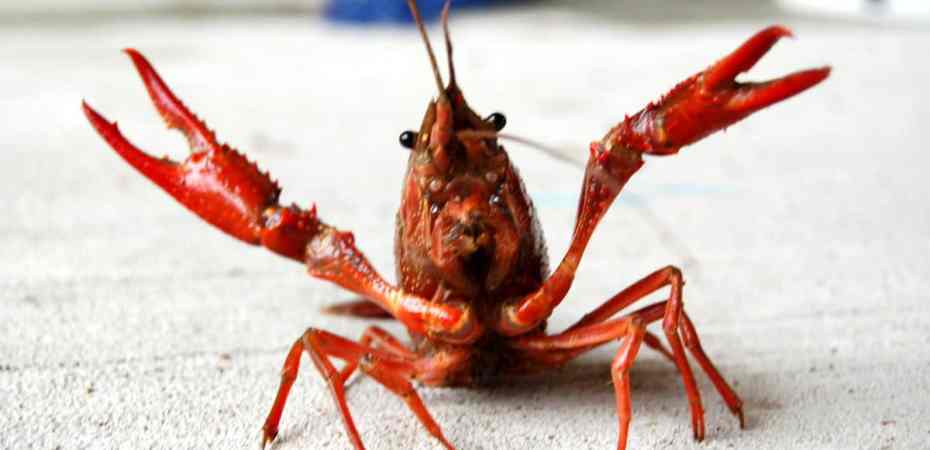
The hot and dry summer combined with the cold of winter and the Mississippi River’s saltwater intrusion has made crawfish season devastating to the Louisiana economy and to crawfish boiling parties across the state.
The crawfish, also known as the crawdad or crayfish, lives in both the northern and southern hemispheres. In the northern hemisphere, the majority of the crustaceans live in North America. Of the over 500 species of crawfish, 250 live in North America alone.
Most crawfish live in freshwater, and a few live in brackish or salt water. The majority only get to about three inches long, but some can get up to 15 inches or 1 foot and 3 inches long. Additionally, crawfish mate in the autumn and will lay eggs in the spring.
Native Americans first began harvesting crawfish. They would use deer meat attached to a reed and leave it in the water. Later, they would pick up the reeds and gather the crawfish that clung to them.
Crawfish began to be sold commercially in the later parts of the 1800s and began to be farmed in the 1950s. At this time, the crawfish trap and the idea of flooding the farmed rice fields came into play.
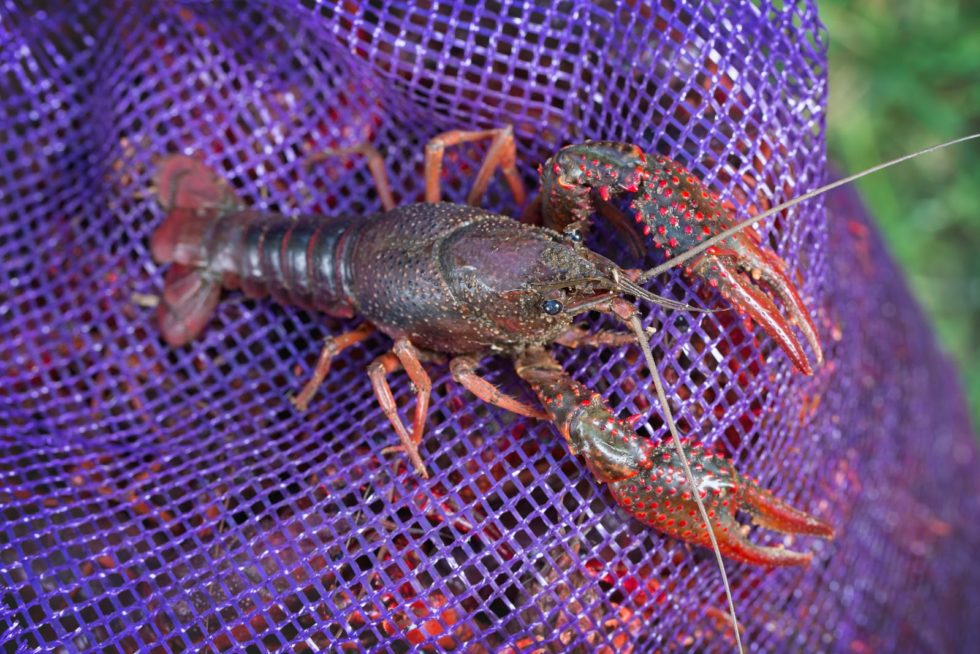
Ninety percent of crawfish production is out of Louisiana, and 80% of it is consumed in the state. The crawfish that are farmed are the Red Swamp Crawfish (procambarus clarkii) and the White River Crawfish (procambarus zonangulus). The Red Swamp species makes up 70-80% of the caught crawfish and the white River species makes up 20-30% of the caught crawfish.
In Louisiana, the crawfish is an essential part of the economy and is eaten during Lent and around Easter. However, the prices have skyrocketed from previous years.
In recent years, crawfish have cost $2-3 per pound; however, at the start of this year prices were up by some 500%. It jumped to $10-20 per pound on the wholesale market. Due to these crazy prices an app was created for crawfish lovers to check availability and locate the cheapest prices. The app is called The Crawfish App.

All of these prices affect regular consumers who throw big crawfish boils around Easter time. One Crawfish enthusiast stated, “We normally throw a crawfish boil for Easter, but now, due to the prices, we may have to do a shrimp boil which is just not the same.” after being asked about the horrendous prices.
This is a problem for many other boilers similar to the enthusiast. Similarly, this may cause the entry fee for contestants at the Saint Paul’s Crawfish Cookoff to increase or raise the prices for entry and concessions.
The crawfish shortage all started because of a long summertime drought that broke record heat levels in Louisiana. It also caused many fires and swamp fires where crawfish live. It dried up the crawfish habitats, so the crawfish struggled to mate, and many died. This dried up their holes that needed water in them in order for the crawfish to survive.
The cold also played a role this year because it delayed the regular mating season of crawfish by staying cold for longer months. Furthermore, the saltwater intrusion of the Mississippi caused the droughts to be worse for the crawfish. Farmers, who would normally water them, couldn’t because of the salinity in the waters that they used. For these reasons, many crawfish did not survive and slowed down the season.
Due to the unusual weather events, prices spiked and are only now just dropping. This caused the nearly $500 million industry to lose $50 million in that short time. The Louisiana governor declared a state of emergency for the crawfish in hopes of relieving the economic crisis.
Some experts say the industry will take four or more years to recover.
Crawfish season has still gone on but at a much costlier price.
 The Paper Wolf