
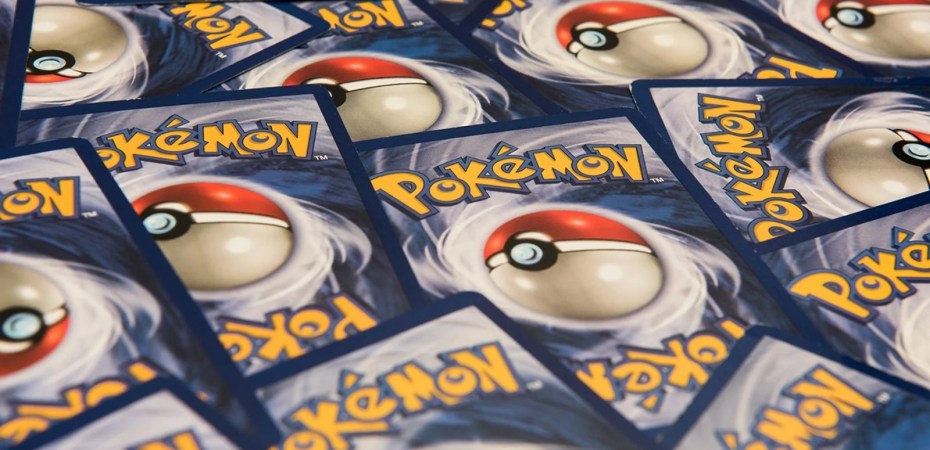
In July, officers arrived at a California GameStop to find a man stabbed multiple times with shards of broken glass after reports of a fight happening in the store. The reason for the incident was very simple; the men were fighting over Pokémon cards.
Recently, the buying and reselling of Pokémon cards has turned into a dangerous and possibly fatal issue for consumers and producers alike.

For the past 25 years, Pokémon cards have managed to capture the hearts of people all around the world. The Pokémon Company has generated over $150 billion in lifetime revenue, making it the most profitable media franchise of all time.
This popularity has led to the cards evolving into something beyond just a hobby, though. The phenomenon is not just about collectibles anymore, and is now more about profit, desperation, and the lengths people are willing to go.
Scalpers are flooding stores, buying out all the cards, leaving aisles and the hands of hopeful children empty. Fighting, stealing, and even attempted murder are all on the table when it comes to obtaining packs of the cards.

On restock days, retail stores are filled with middle-aged men shoveling cards into carts, taking them from each other’s hands, and even brawling, all for a chance to purchase the cards and resell them online.
These scalpers see opportunity in scarcity. To them, the packs are not games or hobbies, but quick money. Online reselling platforms such as eBay and Facebook Marketplace are often filled with sealed packs at marked-up prices within hours of store restocks.
“It’s crazy. The scalpers go to big stories like Target and Walgreens and drop upwards of $15,000 just to go sell it on eBay for profit,” said Saint Paul’s freshman Michael Long.
The reason for the sudden increase in scalping largely stems from the skyrocketing value of individual Pokémon cards, with some rare cards fetching prices well over $4,000. This incredible appreciation has transformed the card market in ways few could have anticipated.
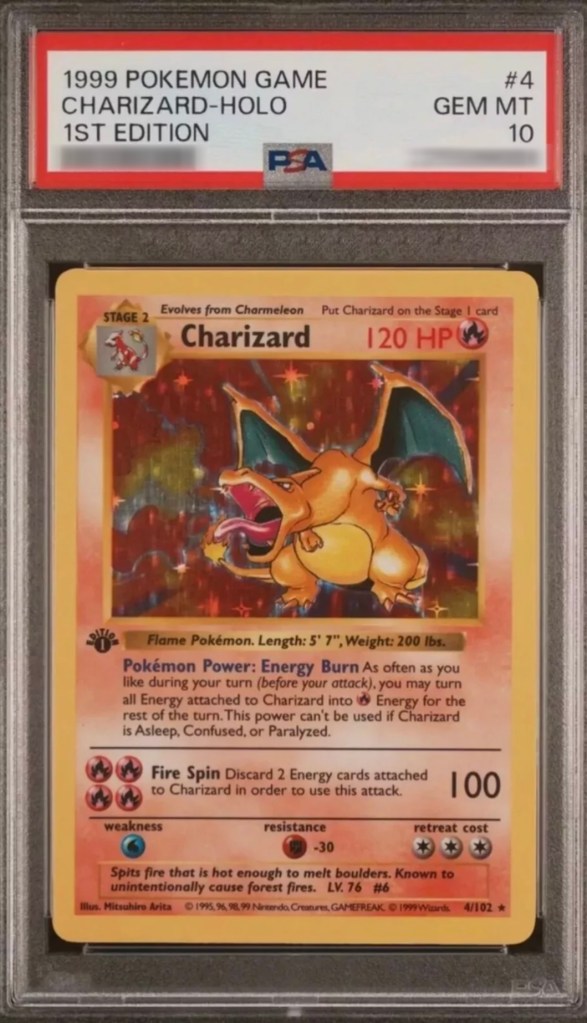
The legendary 1st Edition Base Set Holo Charizard, which was once the undisputed “holy grail” of collecting, set the stage for what Pokémon cards could become. For years, this card was the ultimate prize, a symbol of nostalgia and rarity that collectors dreamed of owning. However, the landscape of what is valuable has shifted dramatically.
Today, collectors aren’t just chasing after that iconic Charizard anymore. The market now highly prizes rare promotional cards, limited-edition releases, and full-art cards from recent expansions that feature fan-favorite Pokémon.
Cards with unique artwork, special foiling, or those released as part of exclusive events can command prices rivaling or even exceeding vintage cards. Additionally, cards that have been graded on their condition by companies like PSA or CGC often sell for premium amounts.
For collectors and players, opening a pack holds the promise of striking gold. The aim of scalpers, though, is not to open the packs; they want to prey on consumers who crave the chance to pull one of these valuable cards.
“I pulled a $12 card out of a pack planning to sell it, but then I realized the pack was going for more online than the card,” stated Saint Paul’s senior Connor White.
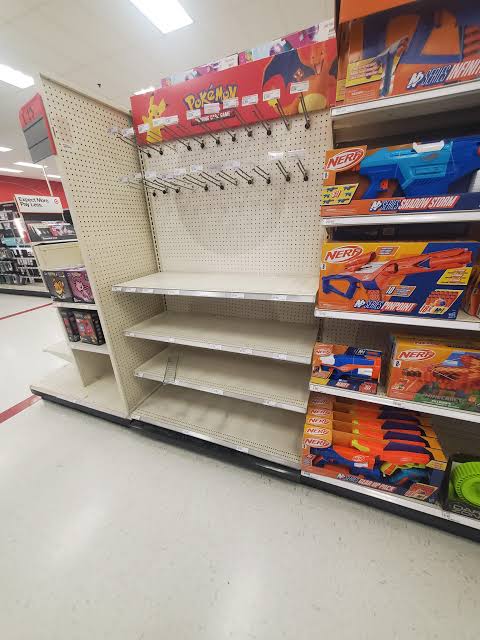
The resale value of single packs can be well over double the retail price, which is around $4.80. Many fans are willing to pay these inflated prices; however, there are nearly zero alternatives for purchasing cards.
Some fans wait for hours in front of stores, lining up before sunrise, just for the slim chance of beating scalpers to the shelves.
For children and families, the situation is especially discouraging. Parents who just want to buy a small treat for their kids are left empty-handed or forced to pay ridiculous and marked-up prices.
To have even a chance at fairness, stores like Walmart, Target, and GameStop have put restrictions in place. Some have imposed strict purchase limits, while others have moved cards behind customer service counters to prevent large-scale hoarding.
A few stores even pulled Pokémon cards from their shelves temporarily in response to violence and safety concerns. “I literally cannot find cards anywhere; I can’t imagine actually buying them unless they’re from some sketchy eBay seller,” said Saint Paul’s senior Bobby Hanks.
Meanwhile, The Pokémon Company itself has tried to combat the problem by reprinting popular sets and promising increased production. However, demand continues to outpace supply, and scalpers continue to capitalize on the situation.

Photo credit: x/poketcgiveaways
What was once a lighthearted hobby for kids and collectors has turned into a cutthroat market driven by greed. Pokémon cards are still about strategy, nostalgia, and fun for millions of fans worldwide. However, for scalpers, they are simply dollar signs.
Until the balance between supply and demand is restored, it appears that fights, inflated prices, and empty shelves will continue to be the reality of the trading card aisle.
 The Paper Wolf