

Under Texas and Louisiana’s starry night skies, bats are now a less common sight.
While bat populations in both states are still declining at alarming rates, scientists have been issuing alarmist warnings about the ecological ripple effect and taking action in an effort to rescue these valuable pollinators and night insect regulators.
Bats play a critical role in the formation of the natural world. They are small but provide more to nature than most can ever imagine. Bats are also a money saver and increase the quality of life for humans.
Locally, bats play a significant role in the Texas and Louisiana environmental ecosystem.
Unfortunately, these beneficial animals are being severely hurt by white-nose syndrome (WNS), a fungal disease that has caused wholesale bat deaths throughout the United States. The effects of the depletion resonate far beyond the wilderness into agriculture, public health, and regional economies.
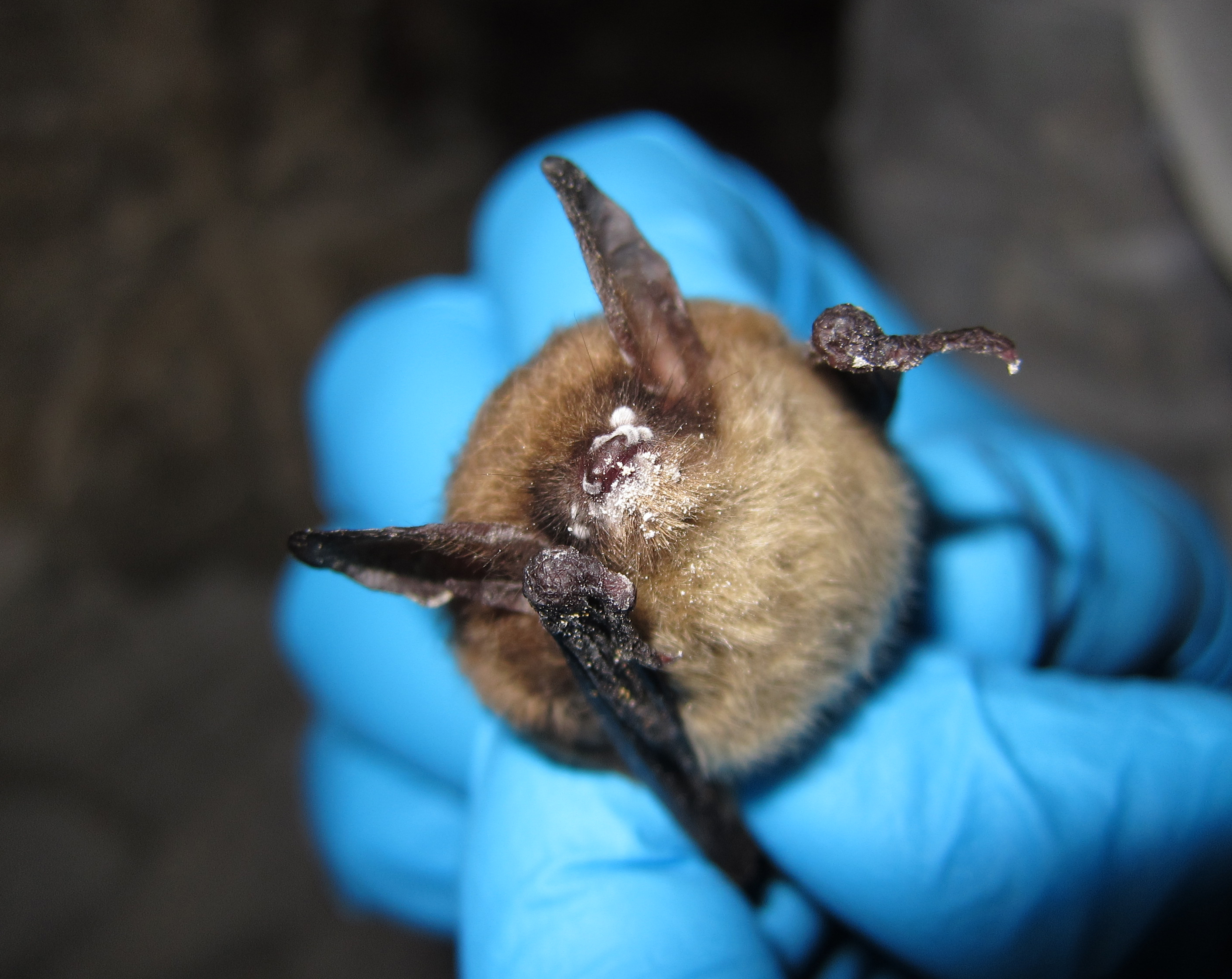
Eyal Frank told Mongabay, ”The gradual expansion of white-nose syndrome across the U.S. serves as a natural experiment to study how the loss of bats’ pest control affected agricultural practices and public health.”
White-nose syndrome is caused by the fungus Pseudogymnoascus destructans, which infects bats while they hibernate and leads to premature hibernation emergence, reduction of fat reserves, and typically death.
Since 2006, the WNS has ravaged bat populations pretty much everywhere. In Texas, the fungus was first identified in 2017 in six counties and has impacted species such as the tri-colored bat, the cave myotis, and the big-eared bat.
Bats are free insecticides that eat enormous amounts of insects, including agricultural pests that cause loss of crops. Bat loss in Texas has already caused increased pesticide use as farmers attempt to compensate for the loss of natural pest control.
This shift has been at a higher expense to farmers and has the potential to harm the environment and human health, as more natural foods are covered with more pesticides. The U.S. The Fish and Wildlife Service estimated in one study that bats save Texas farmers $1.4 billion annually in reduced crop loss and lower pesticide use.
With that information, farmers around the United States are struggling every year to keep up with the scale of pesticides needed to protect their crops. In turn this makes farming more expensive.
On average $1.4 billion is lost through the increase in pesticides. This causes a ripple effect, which is making the price of natural produce skyrocket.
As expected the price of fresh produce and anti pesticide produce are at an all time high. This directly affects buyers of produce making the cost of living extremely high just for the average person in America.
The need for pesticides are increasing as all the natural insecticides are declining if this is not stopped and overuse of pesticides can cause detrimental health effects to all people.
In addition to agriculture, bats contribute to local economies through ecotourism. Austin, Texas, alone has a massive colony of Mexican free-tailed bats that roost in Congress Avenue Bridge, with thousands of tourists coming to visit each year.

The bats are now a sustaining culture and economic asset to the city. Reductions in bat populations would reduce such tourist incomes and impact local businesses.
Mosquitoes that transmit diseases like West Nile virus and Zika virus are among the insect populations that bats control. With fewer bats, there is a potential for more of these disease-transmitting insects, which means an increase in disease transmission to humans.
Aside from health, bats affect the quality of human life indirectly. Bats are very much one of the top pollinators, which seems like a small effect, but the effect can be seen in gardens and almost all of nature.
An example of this can be seen not far from Saint Paul’s school at the Mandeville Lakefront.
Since the bat decline in 2017 it has been noted that mosquitoes on the lakefront are at an all time high. This, in fact, causes fewer people to visit these scenic locations, thereby affecting the quality of life for all residents in the area.
Steps are being taken to combat the spread of white-nose syndrome and preserve bat populations.
The Texas Parks and Wildlife Department is collaborating with researchers to monitor the health of bats and conduct decontamination efforts to prevent transmission of the fungus. It is also essential to raise public awareness and contribute to bat conservation organizations.
For people who are very dedicated, there are plenty of conservation events that people can join to help schools and naturalists study bats to know how to better rehabilitate the bat population. To ensure a person does not contract diseases from bats, it is always best to avoid contact with bats.
Bats are also considered a natural predator that consumes agricultural pests. This in turn will better the overall environmental health of an entire community just by limiting pesticides and letting nature work.
While the circumstances are still dire, ongoing research and conservation efforts allow for hope in the future of Texas and Louisiana bats.
Support and awareness must still be given so that these incredible creatures can continue to survive and thrive with their vital functions in our ecosystem.
 The Paper Wolf