
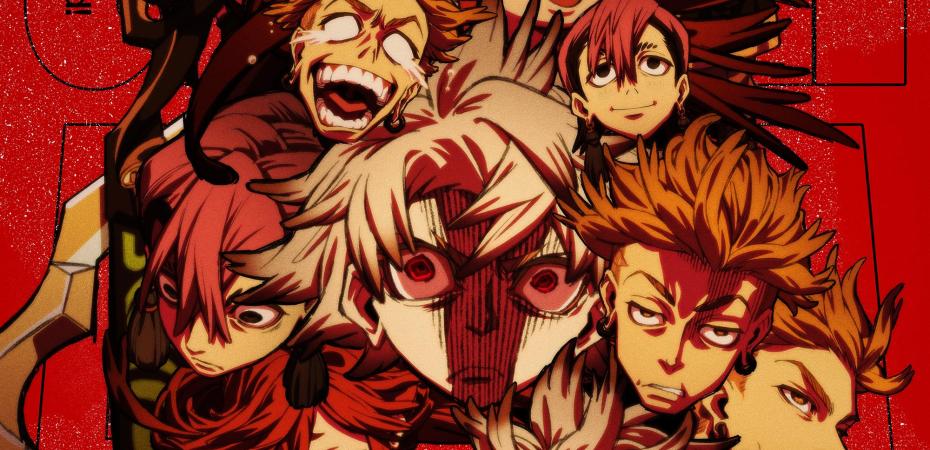
Gachiakuta, a show literally about trash, was the top anime of the summer.
Crunchyroll, the anime streaming site where Gachiakuta exclusively airs, stated that in its release month, it was the most-streamed anime globally. This accomplishment is even greater because it surpassed larger and more popular titles such as Dandadan, Kaiju No. 8, and Sakamoto Days.
Gachiakuta began as a shonen manga series, a style of Japanese comic books and graphic novels characterized by action-filled plots, by Kei Urana, debuting in February 2022.
Gachiakuta is filled with tense action and great animation by Bones Film, a subsidiary of Studio Bones.
Studio Bones is one of the best animation studios in the anime world, having brought many hit manga to life. For example, Studio Bones has animated My Hero Academia, Fullmetal Alchemist: Brotherhood, Mob Psycho 100, Bungo Stray Dogs, Space Dandy, and many more.
Gachiakuta takes place in a massive, floating island city, called the Sphere, suspended above a polluted, garbage-flooded wasteland called the Pit. The citizens of this city, known as the Sphere, are called Sphereites.
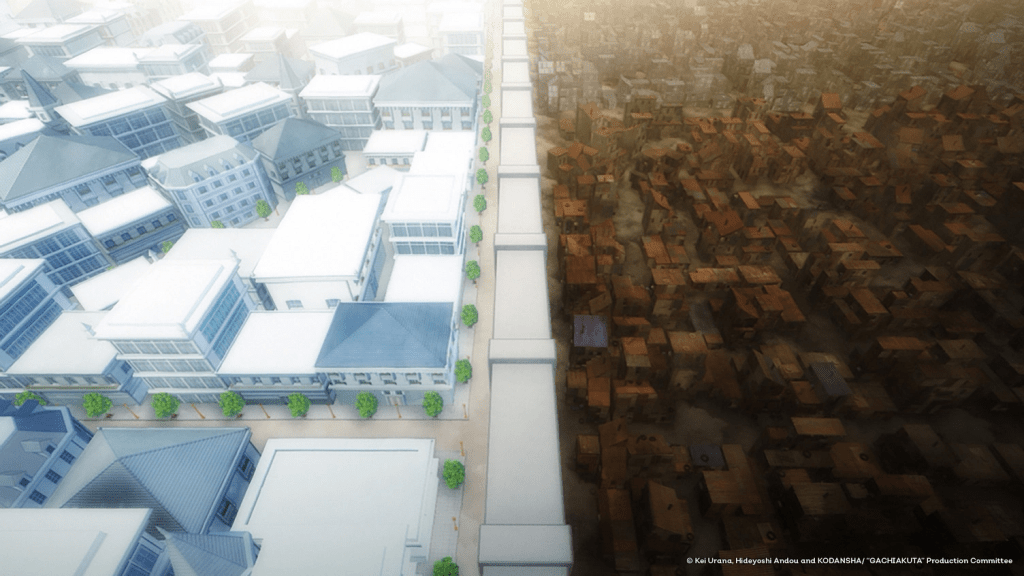
Photo Credit: Bones Film
The Sphere is a dystopian society split into two sides. The Nobility have wealthy and clean lives, despising garbage, and the Tribesfolk live in the impoverished, dirty slums and are resented by the other side.
The story follows a hotheaded, young Tribesfolk boy named Rudo Surebrec. Unlike the others, he sees value in what is labeled trash; this includes other people.
On the sphere, if someone is somewhat suspected of committing a crime, they are thrown off The Sphere like trash.
Suddenly, the story takes a turn when Rudo is framed for murder and exiled from The Sphere.
However, he meets a group of people called the Cleaners, an organization fighting against Raiders and monstrous trash beasts.
Raiders are presented as the main threat to the cleaners. Led by Zodyl Typhon, the main goals of the Raiders are to collect the “watchman series” vital instruments and annihilate the Sphere.
In the show, the Raiders are trying to find Sphereites like Rudo to learn more about the Sphere. However, they’re cruel, brutal, and don’t relent until they’ve achieved their goals. They are the biggest thorn in the Cleaners’ sides.

Photo Credit: Bones Film
Some people below the sphere, such as Cleaners, Raiders, and Vianders (skilled cooks), are known as Givers.

Photo Credit: Bones Film
Givers are special people who possess the unique ability to transform an everyday object into powerful weapons or tools, called vital instruments, with their love and care for it. The more personal meaning and care given to the object, the stronger the vital instrument will become.
This power system, combined with the intense fights and great animation, is one of the biggest parts of the show.
Saint Paul’s sophomore Bradley Cheralla is a fan of Gachiakuta, having just recently watched it. “The fights are really intense because the Cleaners always end up fighting an enemy that counters or works around their abilities, forcing them to adapt with their vital instrument. I also really like the power system because it represents the dedication and patience it takes to become strong,” explained Cheralla.
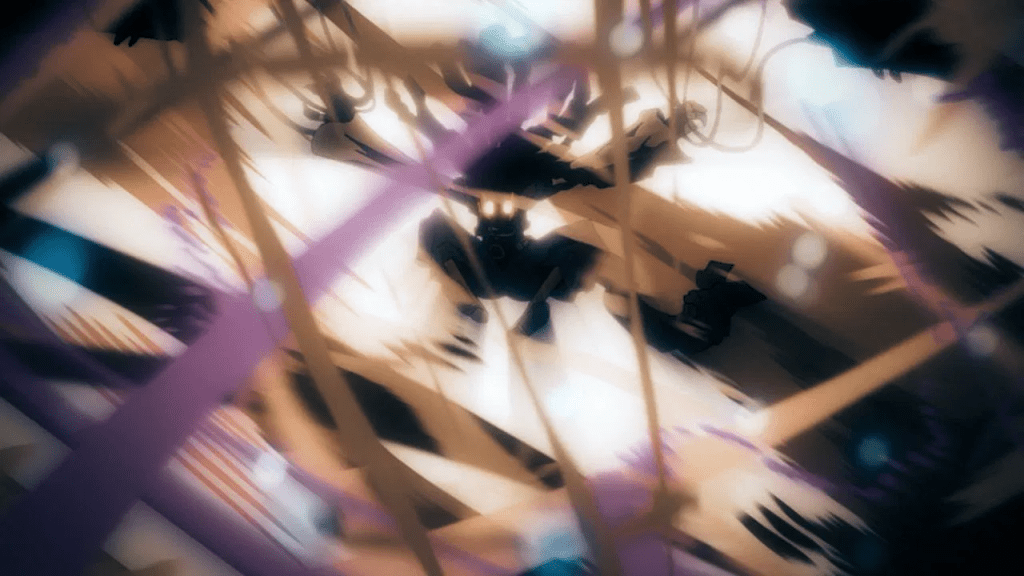
Photo Credit: Bones Film
Rudo learns that he is a Giver as well, so he joins the Cleaners to learn how to harness his Giver abilities and seek revenge on the floating city’s corruption.
Gachiakuta is a brilliant mashup of dark fantasy, action, drama, comedy, adventure, and social commentary. The show is loaded with comedic scenes. However, its powerful dark fantasy aspect is a large driving factor in the show.
Though most of which haven’t been animated yet, Gachiakuta has many darker moments. A handful of the characters have tragic upbringings, whether they lose loved ones, face abandonment, or endure discrimination.
However, through these darker moments, Gachiakuta conveys many different important themes.
First, it focuses on social inequality and discrimination. One main central conflict of the story is built on a social divide. This is characterized by the discrimination the poor and marginalized Tribesfolk face from the Nobility.
Further, individual characters face their own harsh discrimination and injustice through their past, such as Amo Empool, being sold off by her own mother and manipulated by a strange man.
Second, it focuses on the themes of vengeance and justice. Rudo builds one of the core motivations of his journey on vowing to get back at everyone who wronged him.
This is one thing that makes Rudo unique. Not many shonen anime protagonists channel anger the same way he does, and the story follows his progress toward controlling his anger.
Third, it promotes personal growth and emotional maturity. After being thrown off The Sphere, Rudo has to confront his flaws, like his anger, and grow more as a human being.
His relationship with the Cleaners is necessary for this. Through them, he finds true love and care, unlike how the “civilized” folk treated him on The Sphere.
Finally, it speaks to finding value in the discarded. The story conveys that what is deemed “trash” can still hold immense worth.
This is shown greatly in the vital instruments and how the care and feelings of the Givers toward those objects are what unlock their true potential.
These are all important themes that could apply to many people today. Many of us are discriminatory toward others, would rather seek revenge than justice, and we are too stubborn to grow as human beings beside each other. In addition to this, we also promote what is called a “throwaway society.”
A “throwaway society” is a society that encourages extreme consumerism and disposing of products after a single use, driven by planned obsolescence. Planned obsolescence is a business strategy where a company intentionally creates a cheap and short-lived product, influencing consumers to buy replacements.
This practice of a rapid cycle of production, consumption, and waste only leads to huge problems like pollution and depletion of resources. Gachiakuta’s theme of finding value in the discarded heavily critiques this and calls for sustainable practices and economic innovation.
In addition, Gachiakuta has a very unique, heavy, grungy aesthetic. This is one of the show’s most defining features.
One example is the show’s hard rock/metal soundtrack.
Gachiakuta led its first 13 episodes with HUGs by Paledusk. The track is very chaotic, mixing metal-core, electronic, and pop genres with powerful instrumentals and vocals, which only makes it that much more fun to listen to.
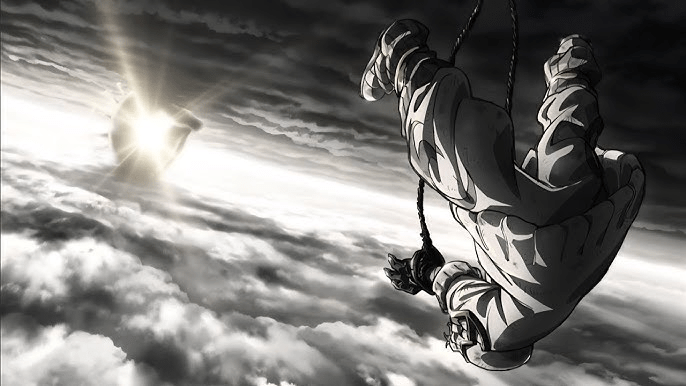
Photo Credit: Bones Film
Additionally, Gachiakuta released a different opening for its second part. This theme is LET’S JUST CRASH by Mori Calliope, and has many fans excited for the rest of the season.
Saint Paul’s sophomore Michael Trotter is a big fan of rock and metal. “Although Japanese rock and metal aren’t usually my thing, Gachiakuta’s openings hype me up for each episode. I can actually see the intention in and get around to them,” said Trotter.
Moreover, Gachiakuta has an exciting and visually appealing art style.
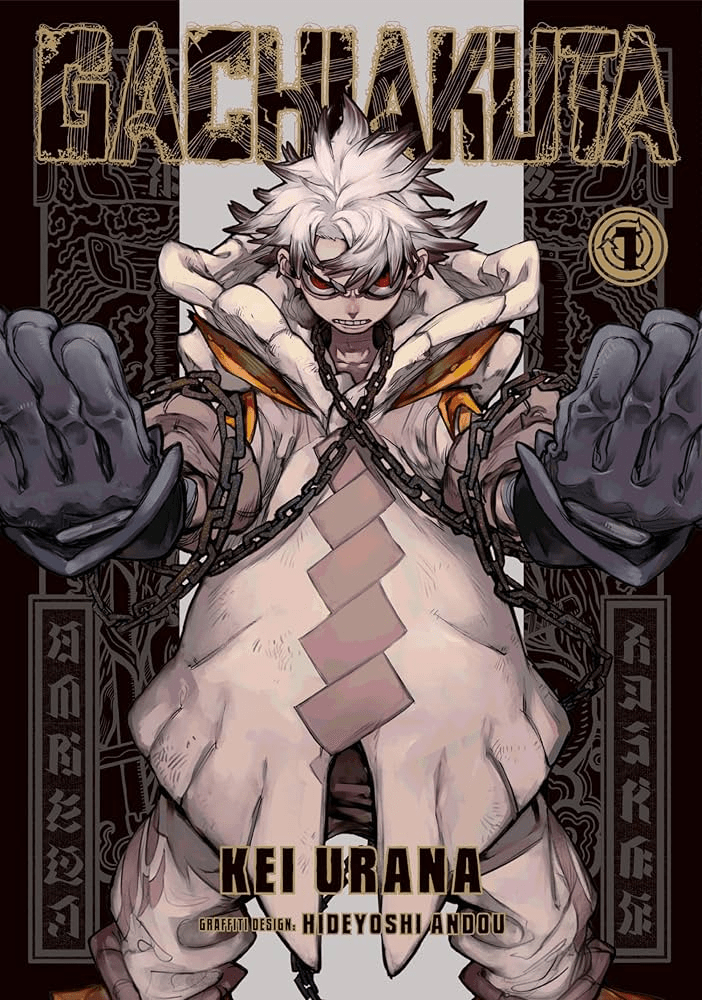
Gachiakuta’s art utilizes heavy linework, graffiti art (illustrated by Hideyoshi Andou), and rougher designs to fit the story’s punkier and darker themes, while leaving room for scenes that leave the viewers visually stunned.
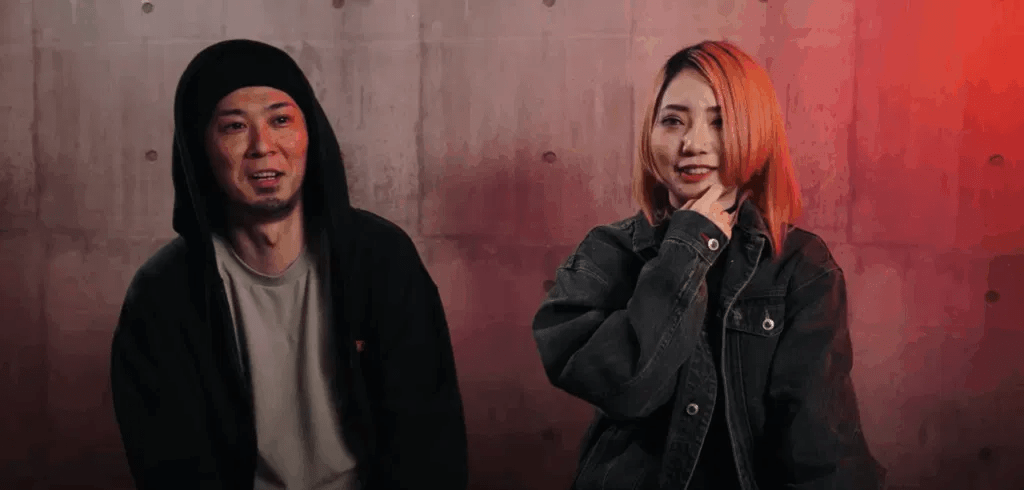
Photo Credit: Fandom Wire
Kei Urana, the author and illustrator, is the genius behind the art style. Before creating Gachiakuta, she worked as an assistant to mangaka (a manga writer and illustrator) Atsushi Ohkubo, mainly known for creating Fire Force and Soul Eater.
These two anime have great art styles themselves, and Urana’s art in Gachiakuta clearly takes after them.
The art style is pushed even further by the cool streetwear and character designs. The characters showcase unique appearances and utilize eccentric, accessorized clothing, both tight and baggy, to create the grungy, tougher aesthetic.

Photo Credit: IGN
As of December 21, season one has finished with a run count of 24 episodes. News of season two’s production was confirmed and the show is already getting its own action-RPG video game.
According to IMDB, Gachiakuta was rated an 8/10. Its highest rated episode, 21, earned a 9.4/10, alongside having some of the greatest animation of the year.
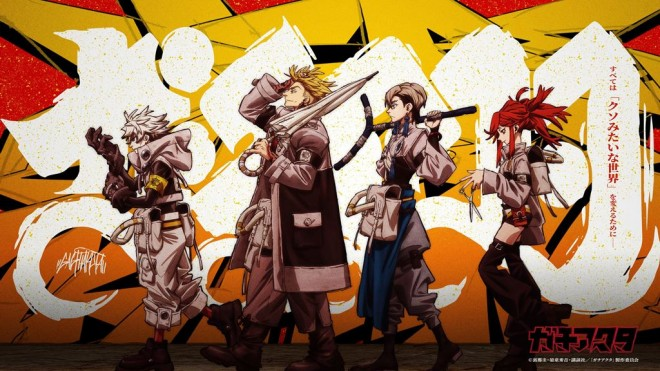
Photo Credit: Bones Film
All in all, Gachiakuta is undeniably one of the most incredible anime series in recent times, rising from a small amount of hype to dominate the summer 2025 anime season through its excellent world-building, style, action, themes, and more.
Gachiakuta proves that a show about trash can be a treasure.
–
Featured Image Photo Credit: Satoshi Ishino
 The Paper Wolf