

Horror franchises aren’t discussed as much as superhero and action franchises, and a major reason for this is that a good majority of them lack quality.
Picture this: filmmakers create a horror movie on a budget of less than $1 million, not expecting it to be a huge success. All of a sudden, the film becomes a huge hit, both critically and financially. That’s how the successful franchises all begin.
Now, the studios are green-lighting a sequel. Sometimes, they might even green-light multiple sequels. That brings up the first trap many horror franchises fall into: forcing a sequel to a movie that was meant to be standalone.
The writers are now trying to scramble together a reason for the antagonist of the first movie (who, most of the time, dies at the end of said movie) to come back. This issue then permeates throughout the entire franchise.
These resurrections of previously dead antagonists are a problem not just because the ways they come back get increasingly ridiculous as the franchise goes on, but also because they make the death of the villains at the end of the movies progressively more numb to the audience, because everyone knows that they’ll probably be back within a couple of years, if not less.

Photo Credit: filmpurgatory.com
A good example of this issue is Jason Voorhees of the Friday the 13th franchise. Jason has been hacked to death with a machete, drowned in a lake, had his soul sent to Hell, and sent into space. It gets to the point where the audience questions what can be done to stop this hockey mask-wearing monster.
Another example is Michael Myers from the Halloween franchise. Michael has been shot off a balcony, burned alive multiple times, shot down a mine shaft, decapitated, electrocuted to “death,” and had his body put in a wood chipper.
In the final movie, Halloween Ends, he is now officially announced dead, but with how many reboots of the Halloween series there have been, his supposed death will not last for long.
That leads to the next point about bad horror franchises: the alarming number of reboots and remakes. While the majority of horror movies released nowadays are original IPs, a significant number of them are either sequels, remakes, or reboots of beloved horror films. For how many of them there are, almost none of them ever actually live up to the original.
The production company Platinum Dunes started off with a lot of remakes of past horror movies, including A Nightmare on Elm Street, Friday the 13th, The Amityville Horror, Texas Chainsaw Massacre, and The Hitcher. In the eyes of many horror fans, none of these remakes even come close to the original because the majority of them feel like the originals again, but removing everything that made the originals so terrifying.
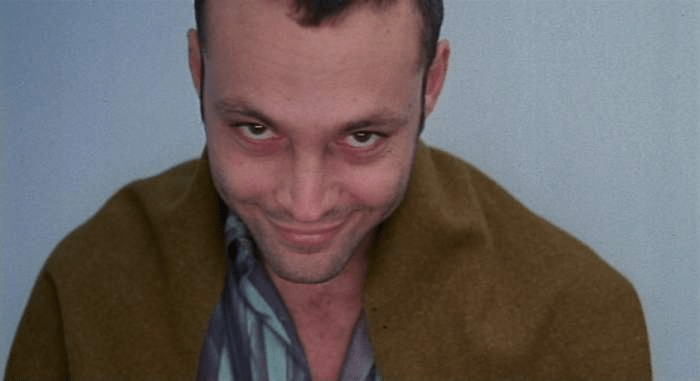
Photo Credit: flipscreen.com
In 1998, Gus Van Sant created a shot-for-shot remake of Alfred Hitchcock’s 1960 classic Psycho. The movie was panned by both critics and audiences for just being the original Psycho, but in color and with a worse portrayal of the main antagonist, with Vince Vaughn being severely miscast as Norman Bates after Anthony Perkins.
Former film critic of the Chicago Sun-Times, Roger Ebert, gave the movie a 1.5 out of 4 stars. In Ebert’s review, he stated, “The most dramatic difference between Alfred Hitchcock’s Psycho (1960) and Gus Van Sant‘s ‘shot-by-shot’ remake is the addition of a masturbation scene. That’s appropriate, because this new Psycho evokes the real thing in an attempt to re-create remembered passion.”
However, what might be worse than a franchise with a bad remake is a series with so many reboots. If a franchise gets to the end of a franchise, whether the movie is actually a natural conclusion to the story or not, certain horror franchises decide to go back to the original movie and pick up a new story from there.
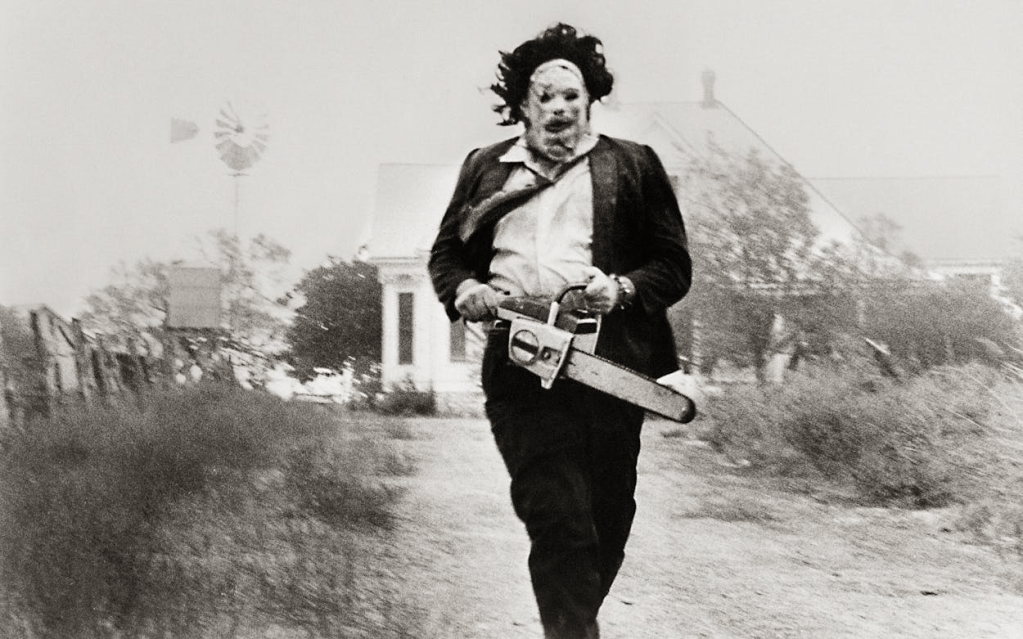
Photo Credit: texasmonthly.com
Arguably, the horror franchise that repeats the reboots and remakes the most is the Texas Chainsaw Massacre franchise. It began with the original 1974 movie, followed by three sequels: The Texas Chainsaw Massacre 2 in 1986, Leatherface: The Texas Chainsaw Massacre III in 1990, and Texas Chainsaw Massacre: The Next Generation in 1995.
Then, it received a remake in 2003, followed by a sequel, Texas Chainsaw Massacre: The Beginning, in 2006. After that, we got Texas Chainsaw 3D in 2013, which ignored the original three sequels and was a direct sequel to the original 1974 movie. Following that was 2017’s Leatherface, which is a prequel to the original 1974 film.
Finally, 2022’s Texas Chainsaw Massacre reboot is said to be a sequel to the original 1974 movie, ignoring Texas Chainsaw 3D. While it is a sequel to the original film, it has not been officially stated that it makes the original three sequels non-canon.
Figuring out the timelines for this franchise is almost as much of a headache as the Halloween series is.
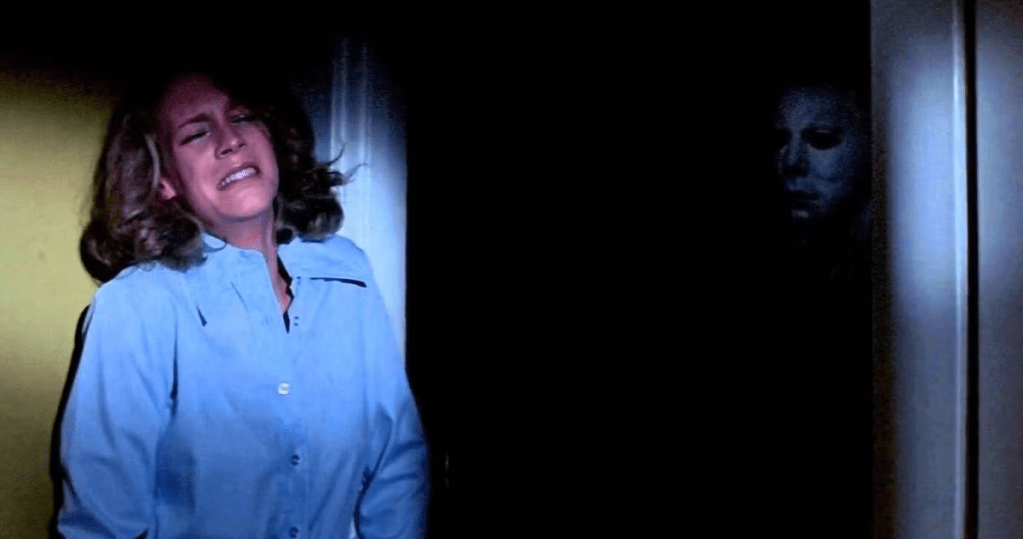
Photo Credit: movieweb.com
There are 4 official Halloween timelines: the original timeline, the H20 timeline, the Rob Zombie remake timeline, and the new trilogy by David Gordon Green. Every time the Halloween series hits a roadblock at the end of that timeline, barring Rob Zombie’s remake timeline, they go back to the original 1978 movie.
Halloween rebooted after Halloween: The Curse of Michael Myers with Halloween H20: 20 Years Later, as the franchise had become creatively stagnant, and the producers sought to capitalize on the profitability of reboots in the horror genre. Halloween rebooted again with Halloween from 2018 after the failure of Rob Zombie’s remake timeline.
The biggest reason why most horror franchises are bad is pretty simple: they’re poorly written. In addition to the progressively ridiculous ways the antagonist keeps coming back, they have bland characters who make stupid decisions just to keep the plot going, kills that get less and less creative and memorable, and stories that make less sense with each installment.
Proof of their poor quality can be seen in their average movie scores on movie reviewing websites like Letterboxd. The big 3 horror franchises (Halloween, Friday the 13th, and A Nightmare on Elm Street) have really low overall franchise scores when combining all their movies’ scores on Letterboxd.
Letterboxd is a movie review website where anyone can review and rate movies on a scale of 1 to 5 stars.

After calculating the Letterboxd rating for each of these movies, Halloween had a subpar overall franchise rating of 2.63 out of 5 stars. Likewise, Friday the 13th had a mediocre overall franchise rating of 2.59 out of 5 stars, and A Nightmare on Elm Street had a middling overall franchise rating of 2.83 out of 5 stars. Despite being considered the Big Three of horror movies, the franchise ratings of these three iconic films are extremely disappointing.
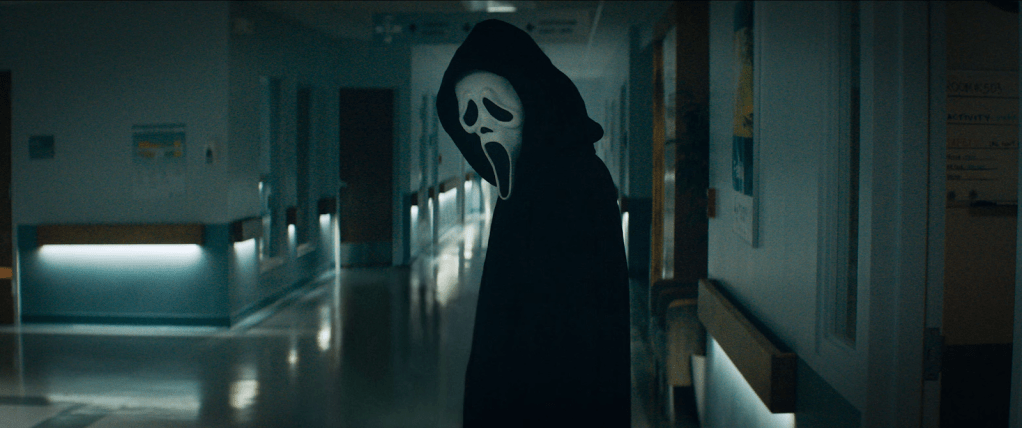
Photo Credit: Paramount Pictures/Spyglass Media Group
Just because most horror franchises are of poor quality does not mean all horror franchises are of poor quality. The two best examples of good horror franchises are the Scream and Evil Dead franchises. On Letterboxd, Scream has a pretty good overall franchise rating of 3.36 out of 5 stars, and Evil Dead has an even more impressive overall franchise rating of 3.58 out of 5 stars.
So what makes these franchises different from the rest? It’s pretty simple: they don’t fall into the traps of the other franchises.
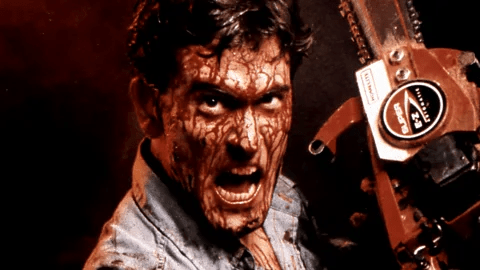
Photo Credit: Alamy
They don’t have the problem of making up reasons for their antagonist to come back because they have creative ways to get around that between Scream having multiple people becoming the Ghostface killer and Evil Dead having multiple of a type of demon as the main antagonist. They don’t have the problem of constant reboots and remakes because, aside from one reboot in the Evil Dead series, both franchises have had one consistent timeline to them. Lastly, they’re actually well written.
Besides Scream 3 that’s seen as a weaker installment in the Scream series, all of the movies in both franchises have been praised by both critics and horror fans alike.
“The only thing scarier than a horror movie is the lack of quality these horror movie franchises have,” said Saint Paul’s senior Rogan Martinez.
To expand on that, an anonymous Saint Paul’s senior gave his two cents on why he believes not a lot of people talk about horror movie franchises. “If the movies in these franchises were of higher quality and had fewer movies, it would maybe be easier for more people to get into these franchises,” he said.
All in all, horror franchises have had a scarily poor reputation for the last couple of decades. Just don’t get jump scared by that fact when you’re deep into a horror franchise.
Featured Image Photo Credit: awardsradar.com
 The Paper Wolf