

Halloween is one of the biggest holidays in the world. October 31 is a day that countless joyfully anticipate. Halloween’s history and why certain celebrations exist are fascinating yet hardly discussed.
Halloween has its origins as a Celtic festival called “Samhain,” pronounced “sow-in” or “sa-wayne” in the Celtic language. It was celebrated on October 31 and marked the end of the Summer harvest. The following day, November 1, is celebrated as the upcoming Winter or the “darker half” of the year.
It was believed that on Samhain, the boundary between the worlds of the living and of the dead blurred. To both honor ancestors and ward off harmful spirits, on this night, people would light bonfires and wear costumes.
Ritual offerings were made to appease spirits that visit people’s homes, to prevent spirits from haunting them.

Samhain was a time when fortune-telling was common. For example, throwing an apple peel over one’s shoulder to see what shape it forms when it falls was one way people thought they could predict the future. Another common fortune-telling method was roasting nuts with people’s names engraved on them. The person would find love with the individual whose name was on the first nut they opened.
At Samhain, cakes called “Barmbrack” were baked and enjoyed. It is an Irish fruit bread that is still enjoyed today, with many recipes available on the internet.
Around the ninth century, Pope Gregory III moved All Saints’ Day to November 1. The day before, October 31, became All Hallows’ Eve.
This was an attempt to Christianize the Samhain and other pagan festivals. All Hallows’ Eve eventually became known as Halloween, and by the 12th century, it became a holy day of obligation.
The day following All Hallows Eve became All Saints Day. It is a day celebrating all the people who have made it to Heaven.
Around the 15th century AD, souling became part of the Halloween celebration. Souling is a tradition where people, usually the poor, visit homes. They pray for the dead loved ones of the household in exchange for “Soul Cake.”
Soul cake is a small spiced cake or sometimes a biscuit. Usually, they consisted of flour, butter, sugar, spices, and sometimes dried fruit. The spices were usually cinnamon, nutmeg, and cloves.
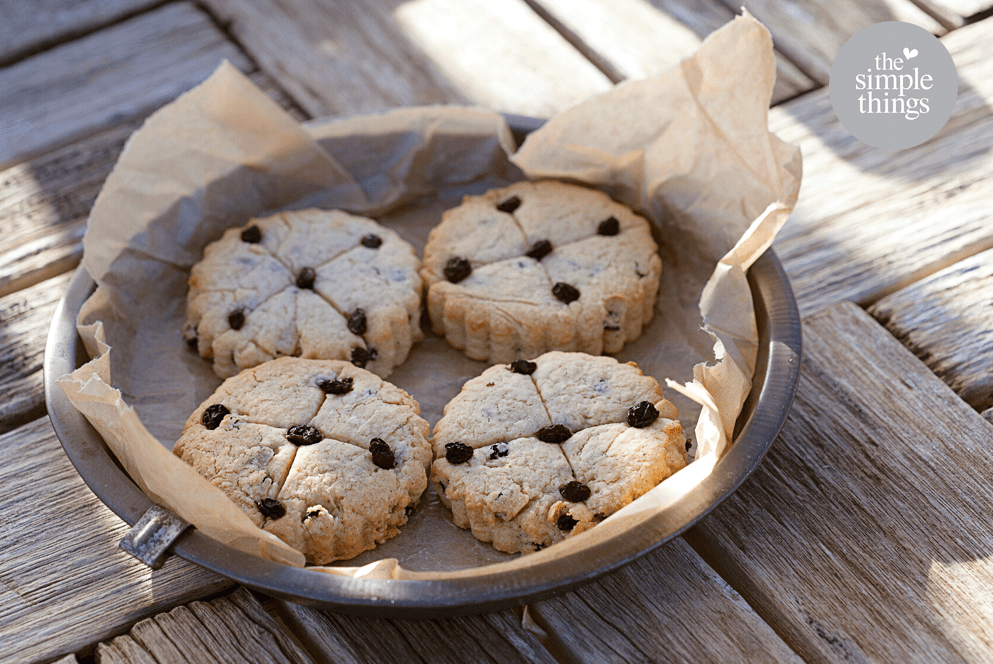
Souling is one of the oldest forms of what is now known as Trick-or-Treating. One of the most important celebrations of Halloween.
Across the Atlantic, a holiday associated with Halloween and influenced by it originated and is celebrated, “Dia de los Muertos,” or Day of the Dead.
Day of the Dead combines both ancient Mayan celebrations and Christian traditions. People think the souls of deceased loved ones journey from the Land of the Dead, or Heaven. They return to the land of the living, or Earth.
One of the most important parts of Day of the Dead is celebrating the memory of deceased family and friends. In the memory of the living, the people can continue to live after their heart stops beating.
People will put up altars of their loved ones and leave gifts by the photos or at their graves. Lighting candles is another tradition. People also put up paper cutouts with skull designs. Another tradition is making and painting faces and fake skulls.
Skulls are are big image for Day of the Dead, considering they are a common image associated with death. Painting skulls is a common activity to celebrate this holiday.
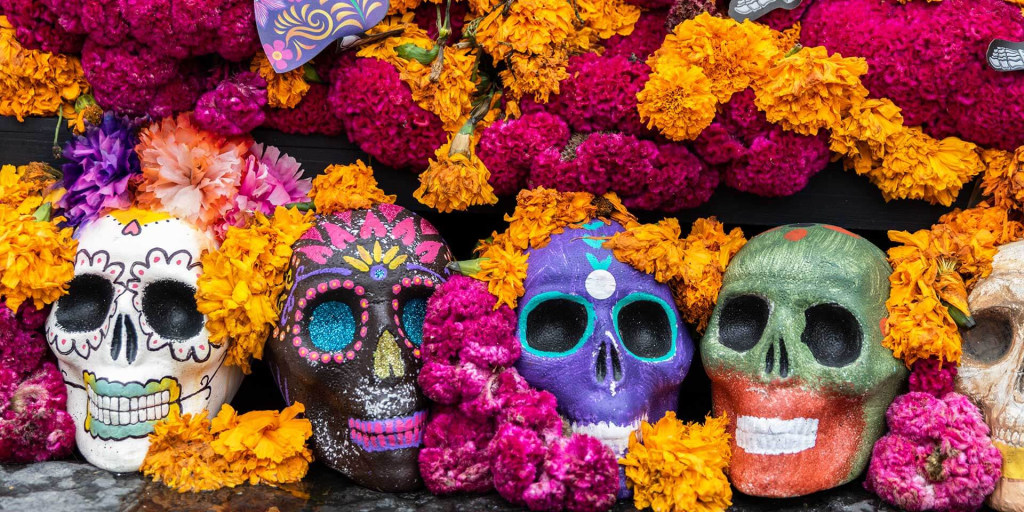
Photo Credit: Sergio Mendoza Hochmann/ Getty Images
Day of the Dead aims to make death seem less frightening to children. It focuses on how life’s impermanence is beautiful and should be celebrated, not feared.
Day of the Dead holds great importance in Mexican culture and history. “The Day of the Dead is one of the most important holidays in Mexican culture, especially in southern Mexico. It has its roots in Aztec traditions, but thanks to Catholicism, it is a deeply religious holiday,” stated Saint Paul’s Spanish teacher Jorge Guzman.
In Mexico, Day of the Dead is a great holiday and is beloved by children and adults alike.
One of the most prevalent Halloween traditions is telling ghost stories, with many associated with the holiday.
In 1820, Washington Irving wrote The Legend of Sleepy Hallow, it’s considered the first American ghost story.
The Legend of Sleepy Hallow tells the story of Ichabod Crane. He competes for Katrina’s love with Brom Bones.
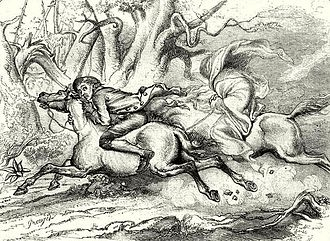
On the way home from a party, Ichabod is chased by a ghost known as the “Headless Horseman.” The next day, all that was found was Ichabod’s hat and a smashed pumpkin. It’s ambiguous whether the ghost is real and killed Ichabod or if Brom scared him away.
The Legend of Sleepy Hallow is still considered a great story. The headless horseman is a big figure for Halloween.
A common Halloween tradition is going to a haunted house. They originated in the early 1900s in London with Madame Tussaud’s House of Horrors. It was a series of wax sculptures of historical figures and relics of gruesome events, usually from the French Revolution.
The house is still open to this day with many more exhibits, including newer entries like live actors and more relics.
In the early 1920s, Trick-or-Treating became a Halloween tradition in America. As Irish immigrants came to the United States, they brought the traditions of the previously mentioned festival Samhain with them.
During World War II, the tradition of Trick-or-Treating stopped temporarily due to sugar rationing. It caught back on in the early 1950s when sugar rationing ended.
Countless people have fond memories of Trick-or-Treating when they were young.
Saint Paul’s freshman Mathew Roy joyfully reminisced on his favorite Halloween memory.
“My fondest memory of Trick-or-Treating is from when I was 9 years old, and I was walking around with my friends, going door to door. We then heard a loud noise, and firefighters were driving around in their truck. They decided to stop next to us and hand us all kinds of goodies. This was a memorable night for me because it made me feel special and important,” stated Roy.
Many people love the holiday of Halloween for many reasons, but the history should be among them.
Happy Halloween!
Feature image photo credit Eckert’s Farm.
 The Paper Wolf