
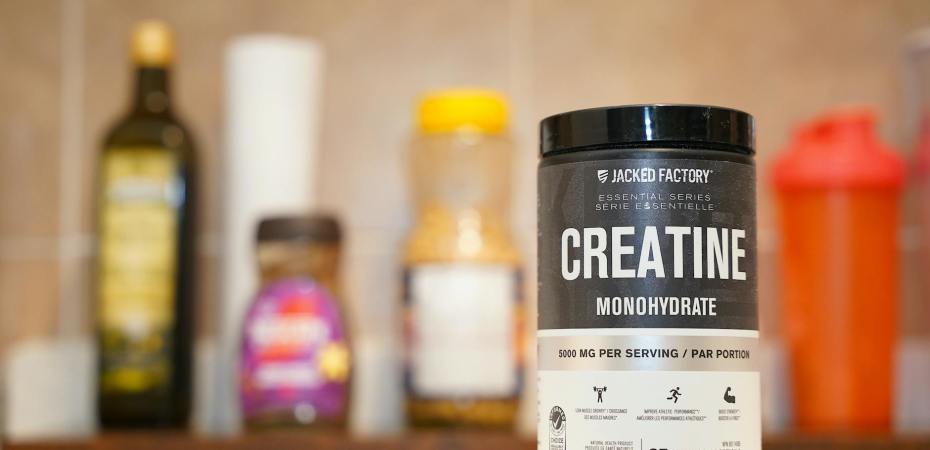
Everyone should take creatine. It is the most researched and consistently effective supplement on the market, and it’s not just for “gym bros.”
Harvard medical researchers promote the use of creatine.
Harvard Health Chief Medical Editor Dr. Howard LeWine found that creatine improved athletic performance. “Creatine may enhance one’s athletic performance. It contributes to rapid energy production and can enhance power and speed bursts,” Dr. LeWine said.
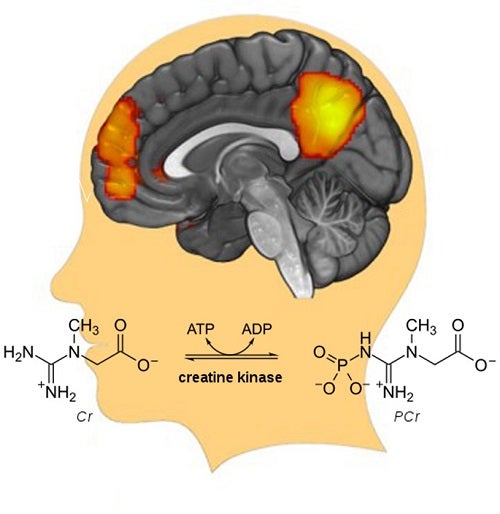
Additionally, in a study by the Harvard Brain Science Initiative, Dr. Xiaopeng Song found that creatine has positive effects on brain health. Creatine helps with “enhancing the fidelity of information processing for better executive and cognitive function,” according to Dr. Song.
This shows that not only can creatine help with physical performance, but it can also aid mental health.
The brain uses a huge amount of energy, especially when focused, stressed, or learning something new. Studies from Harvard and the National Institutes of Health (NIH) have found that creatine helps the brain maintain energy, which improves focus, reaction time, and memory. People who supplement regularly often report sharper thinking and better mental endurance.
Research has even shown that creatine helps people struggling with depression. One study published in The Journal of Clinical Psychopharmacology found that creatine, when combined with antidepressants, improved mood and brain function more than medication alone.
Creatine has been debated for years, yet it remains one of the safest and most proven supplements available, and that’s because creatine is a natural substance.
About 95 percent of the body’s creatine is stored in the muscles as creatine phosphate. This stored energy helps the body create adenosine triphosphate (ATP), which is the main fuel source used for muscle contractions.
When the body burns through its ATP, fatigue occurs. Creatine helps replenish ATP levels, but its benefits are most pronounced when exercising at near-maximum intensity.
Saint Paul’s biology teacher, Dr. Randall Ford, believes creatine is beneficial, but exercise remains paramount. “Creatine won’t benefit you (strength-wise) unless you are actively increasing the difficulty in your workouts,” Dr. Ford said. In other words, creatine is not a miracle supplement, but it does have benefits for those who exercise hard.
Studies show that the small benefits it has on workouts will compound, and eventually, those who take creatine will have a noticeable strength increase compared to those who don’t.
Despite all this, many people still avoid creatine because of myths associated with the substance. Some claim it causes dehydration and cramps. However, countless studies have proven those concerns to be inaccurate or overstated. According to the Mayo Clinic, creatine is completely safe for healthy individuals who take normal doses and stay hydrated.
Additionally, the NFL, known for its strict supplement regulations, still allows its athletes to take it. All-Pro tight end Brock Bowers recently advertised Orgain creatine on his Instagram. He also highlighted his favorite creatine supplement on their website. It is widely believed that over half of professional athletes take creatine to maximize their muscles and mind.

orgain.com/Brock Bowers
Dr. Jose Antonio, CEO of the International Society of Sports Nutrition, explained that “creatine monohydrate remains one of the few supplements that consistently proves both safe and effective.” He says the biggest issue isn’t safety; it’s that many doctors don’t fully understand it.
Creatine is a supplement, not a prescription drug. It doesn’t generate much money for companies, so there’s little motivation to promote it. And because it’s not taught in depth during medical school, most doctors don’t bring it up.
People are quick to take medicine with lists of hundreds of side effects, and question natural supplements that work. Creatine has long been seen as something only weightlifters or bodybuilders use. However, studies continue to show that it benefits everyone by supporting energy, strength, and brain health.
Most people only get about 1 gram of creatine per day from foods like red meat and fish. The body performs best when creatine stores are full, which happens at around 5 grams a day. That’s why supplementation makes such a difference.
Once the body is saturated, one will likely notice better energy, faster recovery, and clearer focus.
For athletes, that might mean extra speed or strength. For students, it could mean better concentration and less mental fatigue. For older adults, it may mean staying sharper for longer.
The best form to take is creatine monohydrate, the type used in almost every major study. It’s effective, affordable, and easy to mix with water. Experts recommend taking 3 to 5 grams daily, anytime during the day.
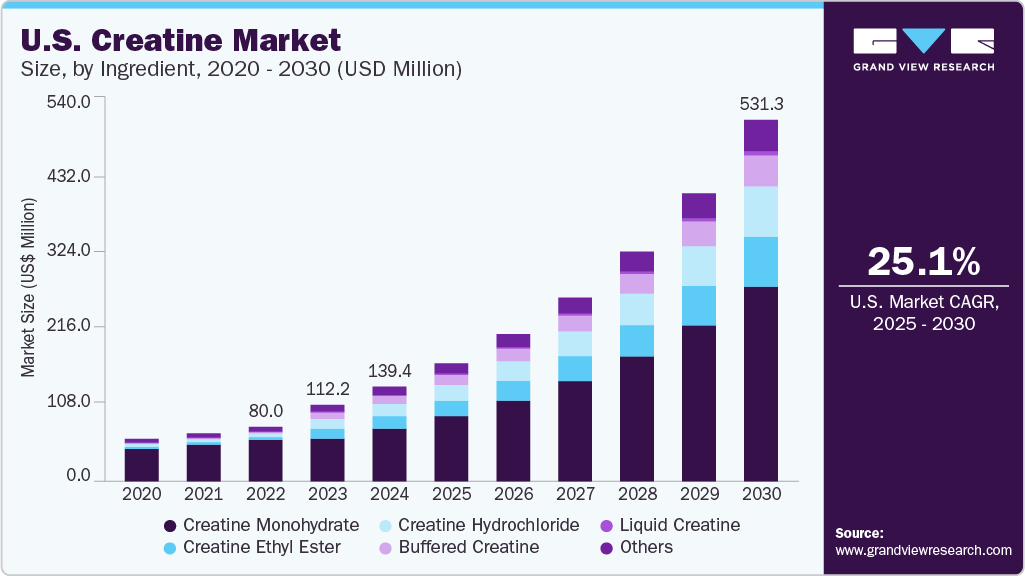
The creatine market is growing yearly. The current market value is only $173.5 million, but it is projected to grow to over $500 million by 2030 as people quickly realize the numerous benefits.
For instance, the National Institutes of Health (NIH) and the University of Kansas Medical Center both published studies showing higher cognitive performance and increased brain activity in Alzheimer’s patients who simply added creatine to their diets.

Even among Alzheimer’s studies, participants who took creatine performed better on memory tests and showed slower cognitive decline.
Creatine isn’t a magic powder or a secret shortcut. It’s a natural compound that the body already uses to create energy. Supplementing simply helps the body maintain high levels so the muscles and brain can perform at their best.
With research from Harvard, the NIH, and countless universities backing it, the evidence is clear: creatine works.
If an affordable supplement can safely boost energy, strength, and brain health, it’s hard to find a reason not to take it.
–
Feature Image Photo Credit: Adobe Stock
 The Paper Wolf