

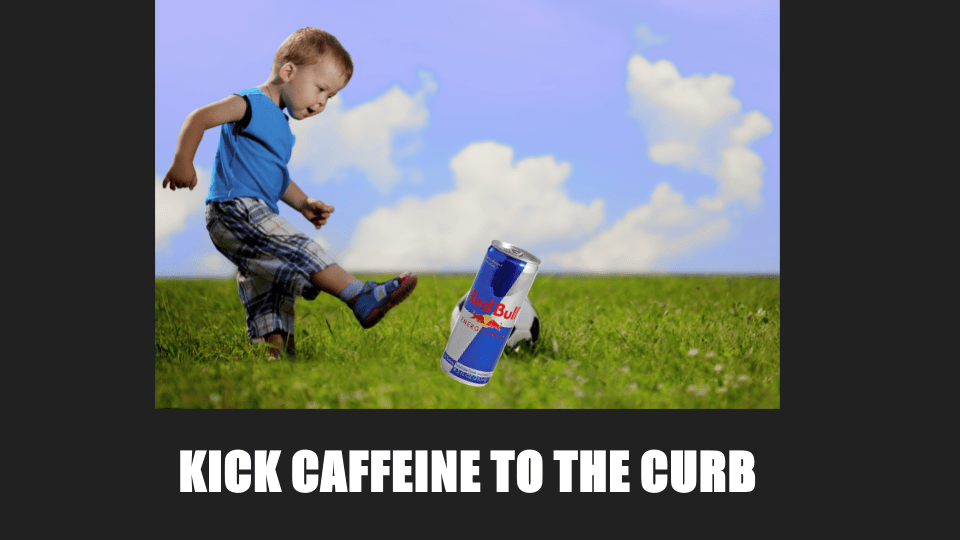
Students are consuming caffeine earlier and more frequently than ever before.
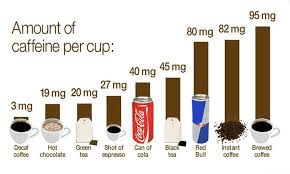
For people under 18, the FDA recommends limiting caffeine intake to 100 mg or less per day. For reference, this is one regular cup of coffee, or about half of a Monster energy drink.
The American Academy of Pediatrics, however, recommends that children of all ages refrain from drinking caffeine entirely. Needless to say, there is a significant disconnect between what health professionals are advocating and what students are actually doing.
On any given day, around 80% of people on Earth consume some form of caffeine, making it the most widely consumed psychoactive substance worldwide. When consumed in moderation, caffeine poses little to no risk and even slight benefits, such as allowing consumers to be more alert and stimulated temporarily; moreover, caffeine in moderation has even been linked to slowing down the development of Alzheimer’s and dementia.
However, when children consume excess amounts of caffeine, it presents serious health risks.
A study conducted by pediatric health expert Amy M. Braum revealed that 73% of adolescents aged 12-19 consume some form of caffeine daily.
“Almost every day, I have 250-400 mg of caffeine through pre-workout and energy drinks,” Saint Paul’s junior Christopher Curtis admitted.
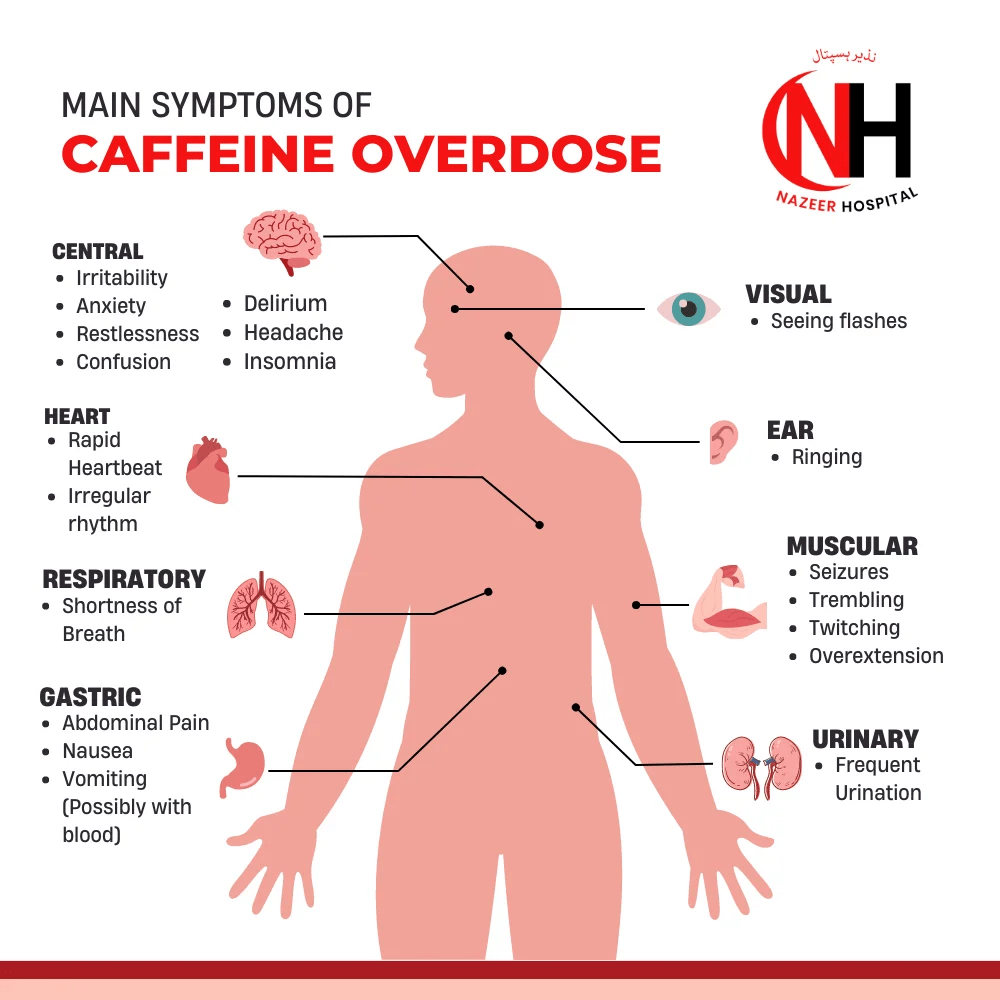
This normalized use of excessive caffeine can cause serious adverse effects on one’s health. While even moderate consumption can lead to behavioral inconsistencies and increased heart rate, regularly exceeding the FDA’s recommended limit can lead to symptoms such as headaches, nausea, insomnia, and muscle cramps.
The most common and disruptive of these symptoms, however, is sleep deprivation. According to the CDC, approximately 35% of children from 7 months to 17 years suffer from sleep deprivation, a large percentage of which is likely a result of caffeine’s effect on sleep patterns.
Saint Paul’s biology teacher Dr. Randall Ford believes that lack of sleep caused by caffeine consumption itself can cause a myriad of problems. “…One of the biggest issues for teenagers would be disrupted sleep patterns. Insufficient sleep is associated with a host of health issues, including impaired memory formation and reduced functioning of the immune system,” Ford said.
Undeviating use of caffeine in students has also been linked to altered behavioral tendencies. Caffeine, as a stimulant, affects the way students’ brains develop, allowing for its young consumers to be subject to more addiction in their future.
The addictive nature is what makes this consumption troubling. It’s hard to quit.
Rampant caffeine consumers will develop withdrawals when they don’t consume caffeine, causing symptoms such as headaches, anxiety, difficulty concentrating, and depressive mood. This, in turn, causes those who try to quit consuming caffeine to mitigate the negative withdrawal symptoms by consuming some caffeine when actually trying to quit.
The cycle’s repeated.
According to the National Library of Medicine, consistent overconsumption of caffeine in adolescents can lead to long-lasting effects such as anxiety, insomnia, and increased risk of heart conditions later in life. Caffeine has also been linked to a decrease in bone growth and growth hormones. In other words, caffeine is quite literally shrinking the youth.
While rare, caffeine poisoning (or caffeine “overdose”) has seen a rapid increase in recent years. According to the National Poison Data System (NPDS), a total of almost 33,000 people aged 20 and under were hospitalized from 2011 to 2013 due to the effects of energy drinks alone.
For example, in 2016, a 16-year-old boy was hospitalized after consuming five energy drinks in the span of two hours. The boy suffered from caffeine poisoning, leading to severe symptoms such as rapid heartbeat (tachycardia), high blood pressure, seizures, and vomiting. He recovered after intensive medical care over the span of days.
Depending on the weight of the individual, caffeine poisoning can occur at doses as low as 400 mg and has taken several lives before. For instance, another 16-year-old boy, a South Carolina high school student, passed out in class shortly after consuming approximately 500 mg of caffeine in two hours. Several attempts were made to resuscitate him, but the caffeine had caused irregularities in his cardiac rhythm.

Both of these young men had been regularly consuming high doses of caffeine for years on end.
The birth of countless new energy drinks in today’s market is most likely to blame for this harsh increase in caffeine-related health concerns. These energy drinks provide people with a quick boost for workouts, school, and even gaming, but these drinks typically contain an average of 150 mg of caffeine, well above the recommended daily intake.
The problem is that these drinks are advertised on purpose to a younger audience. Corporations do this through social media advertising, co-branding with other kid-friendly products, and even vibrant packaging to attract younger audiences.

(Photo Credit: Kentucky Gym)
Instead of reaching for energy drinks, Northwestern University medical experts recommend that both adults and adolescents find other alternatives, such as a healthier diet, consistent hydration, and physical activity, as healthier ways to energize themselves throughout the day.
Caffeine has conquered the beverage market, taking its toll on youth with detrimental effects. Although it is not a thought many of us have, paying attention to daily caffeine intake could be the difference between waking up refreshed and waking up groggy. Moreover, curbing the addiction could be the next big step toward preventing caffeine from controlling countless lives and harming your health down the line.
 The Paper Wolf