
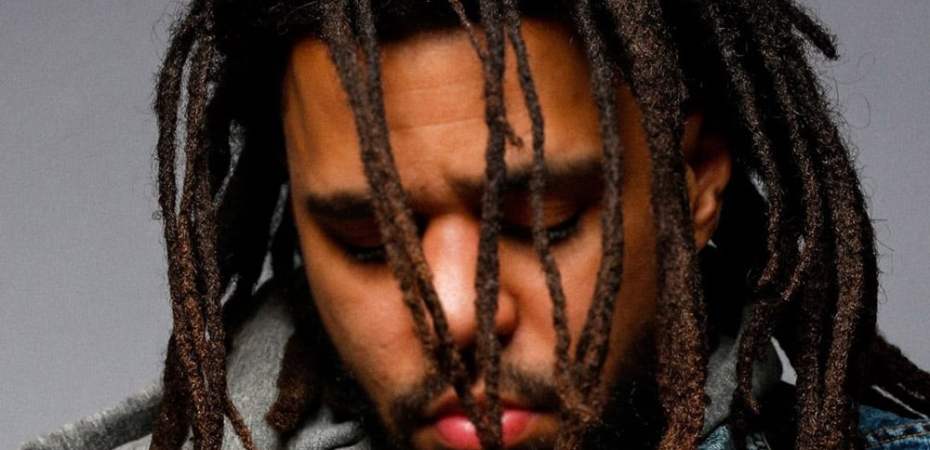
J. Cole has helped shape pop culture in countless ways, and while he has decided to step away from his career, he’s doing so only after releasing his most ambitious project yet: The Fall-Off, the last solo album in his illustrious career.
J. Cole has been one of the leading voices in hip-hop for over a decade, never giving up and constantly referencing his hometown of Fayetteville, North Carolina. He has changed both as a person and as an artist over his career, as exemplified by his constantly evolving style.
He began his career with a strong mixtape trilogy, including: The Come Up (2007), The Warm Up (2009), and Friday Night Lights (2010)
Although his first project, The Come Up, is considered the worst of the bunch, his drive and passion shine through, helping establish that he might be here to stay.
The second of the three, The Warm Up, is where he started to gain some recognition with songs like “Lights Please” as well as a few other standout songs. This project helped J. Cole start to get noticed by bigger artists. This eventually led to him being signed by Jay-Z.
Friday Night Lights is widely considered the peak of his mixtape era. This project won Best Mixtape of the Year at the 2011 BET Hip Hop Awards. It delivered some of his most consistent and inspired performances yet, with a focus on storytelling, combining the elements of the previous mixtapes and refining them.
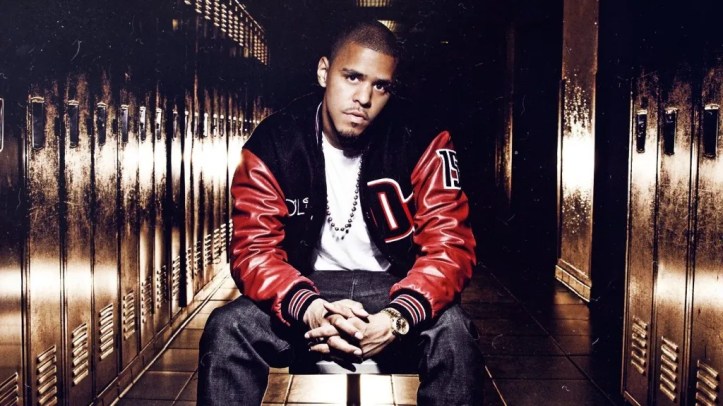
Photo credit: Pitchfork
This momentum from Friday Night Lights carried directly into his first studio album.
After signing with Jay-Z and Roc Nation, J. Cole released his debut album, Cole World: The Sideline Story, in 2011. The project debuted at number one on the Billboard 200 and featured hits like “Work Out,” proving he could balance mainstream appeal with meaningful lyricism.
He followed it up with Born Sinner, a darker and more introspective project. Released the same week as Kanye West’s Yeezus, the album still managed to debut at number two and later reached number one. This launched him into the conversation with the giants of the rap game of the time.
In 2014, he released what many consider his best work, 2014 Forest Hills Drive. Named after his childhood home in Fayetteville, the album went platinum with no features, a rare accomplishment in modern hip-hop.
The album’s deeply personal storytelling, especially on tracks like “Love Yourz” and “No Role Modelz,” connected with fans on a new level. The album solidified Cole as an artist who didn’t need heavy collaborations or flashy production to dominate the charts.
He continued this streak with 4 Your Eyez Only, an emotional project centered around generational struggle. It came with big hits like “Change” and “Neighbors.”
Saint Paul’s junior Dev Patel believes the album again showcased his lyricism and beautiful storytelling. “Change is one of the best songs I have ever heard. Cole is speaking from the heart, and it just hits home,” Patel said.
Then came KOD, which tackled themes like addiction, consumerism, and the pressures facing younger generations. Instead of just telling his own story, he stepped back to analyze the culture around him.

Cole then released The Off-Season, which showed him going back to a harder, more competitive style of rapping. The album felt like a reminder that even after being in the game for so long, he still had the same drive and talent. His lyrics were stronger, his flow was smoother, and he rapped with confidence like he still had something to prove.
In 2024, J. Cole released the surprise mixtape Might Delete Later, a raw and unfiltered project focused on sharp lyrics, confident flows, and competitive energy. The mixtape included “7 Minute Drill,” a response to Kendrick Lamar, which he later apologized for and removed.
That leads us to potentially the last studio album Cole will ever release, The Fall-Off.
The album debuted at No. 1 on the Billboard 200, becoming J. Cole’s seventh chart-topping release and one of the biggest hip hop sales weeks of the year. This project was a double album with a total of 24 tracks.
Many fans are having mixed feelings on the album, with some praising the introspective nature of most of the songs, while others say they feel unmemorable and overextended.
Saint Paul’s sophomore Reed Fisher, an avid listener, sees both sides. “Obviously, I enjoyed the album, but at certain points, I found myself not even noticing that 2 or 3 songs had passed. Most of the songs sounded the same, not that it’s a bad thing, but I expected more,” Reed said.
Without a doubt, the album shows off some of his most impressive storytelling, with him reflecting back on his life and how he got to where he is today.
He goes through his experiences on coming back to his hometown at two different stages of his life. This allows him to catch very different feelings and help the listeners understand his growth and change in mindset over time.
The album particularly tackles the idea that everybody’s time comes and goes, and there’s nothing you can do to stop it. Rather, you should embrace the change and help those who are up and coming. He realizes that those replacing him are just like he used to be: hungry and ready to take hip hop and run with it.
Overall, it is a well-planned and very polished exit, topping off one of the greatest music careers in recent memory.
The influence of J Cole impacts more than just music. Although Cole knows he’s one of the best out there, he never fails to give back to his community.
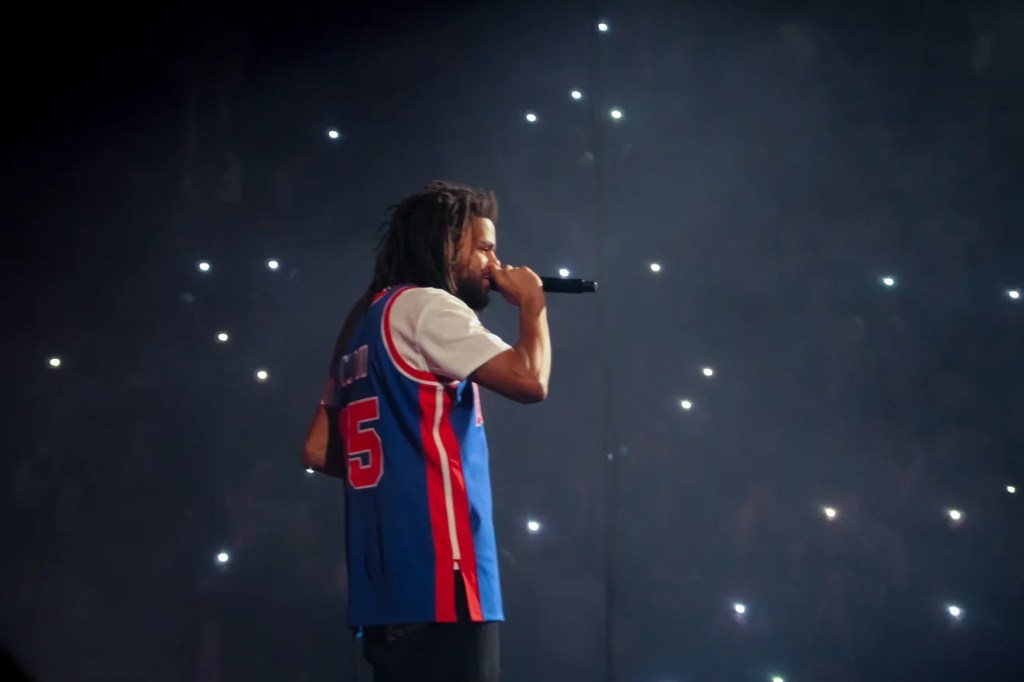
One way this is exemplified is through the Dreamville Foundation. This non-profit foundation helps young people get access to education and gives resources to those who normally can’t access them.
He also purchased his childhood home and turned it into temporary housing for single mothers, directly reflecting the themes of growth and responsibility found in his music.
It’s important to remember the overall cultural impact that Cole has had on the rap game.
Cole helped shift hip-hop back toward lyricism and storytelling during a time when mainstream rap was becoming more focused on catchy hooks and production. Alongside artists like Kendrick Lamar and Drake, he became part of the generation that defined 2010s hip-hop.
Cole stood out by staying grounded and relatable, often rapping about insecurity, growth, and real-life struggles. This allowed everyday people to relate to and connect with his music.
He isn’t just focused on his own career, though. Cole has mentored people like JID and Ari Lennox. He signed them to grow under his label, and now they are full-fledged stars. This shows the ripple effect of his influence throughout the music industry.
In the end, J. Cole’s career was never just about chart positions or awards. It was about growth, authenticity, and staying true to where he came from. From a hungry kid in Fayetteville to one of the defining voices of his generation, Cole proved that you can succeed without losing yourself.
If The Fall Off truly marks the end, it isn’t the fall of a legend; it’s the completion of a journey that reshaped hip hop for the better.
Featured Image Credit: Sony Music
 The Paper Wolf