

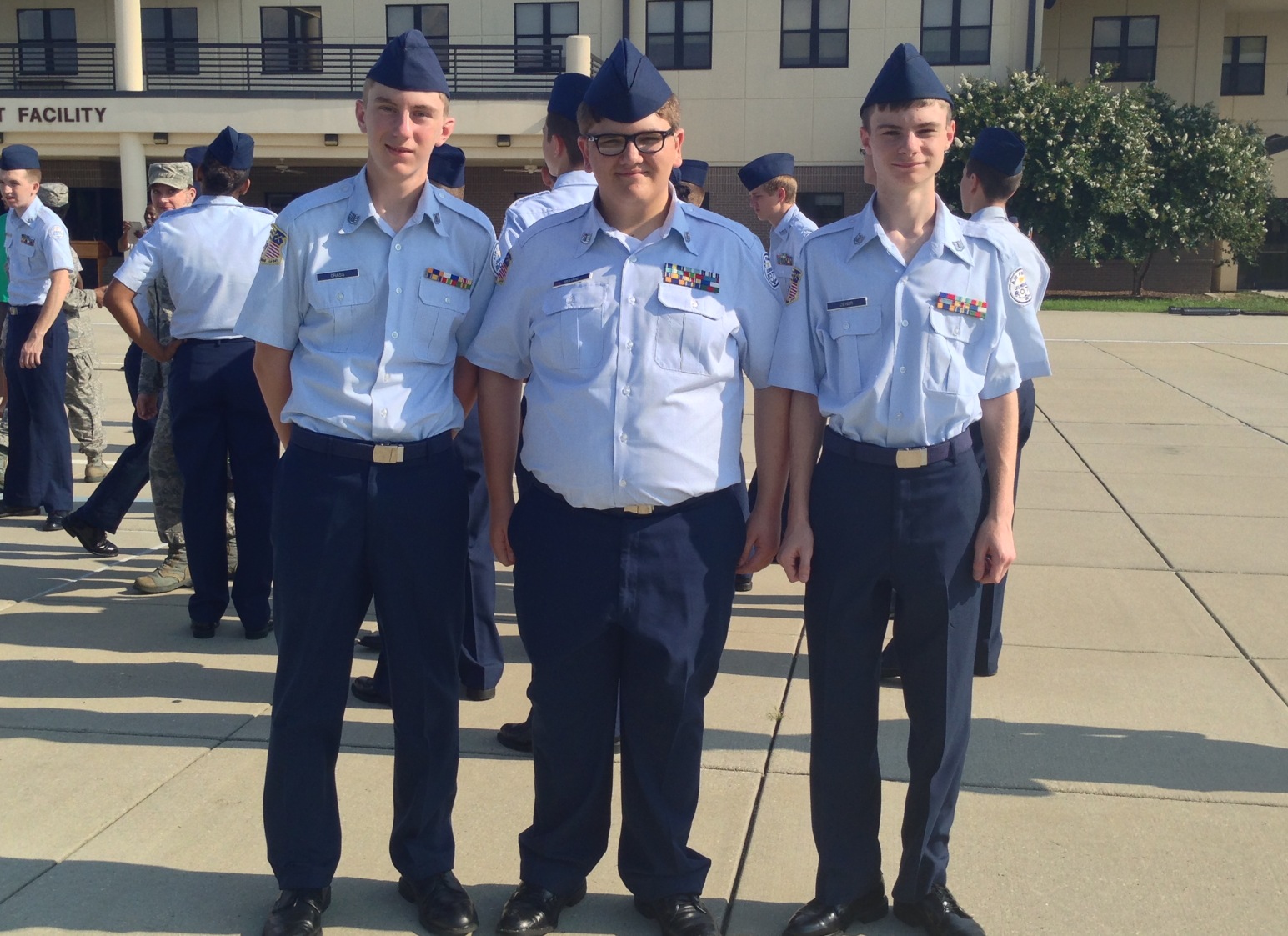
This year, the St. Paul’s AFJROTC, one of the oldest Air Force Jr. ROTC programs in the state, has made changes to how it functions, due to a cut in budget. Last year, an Air Force inspector arrived to evaluate the ROTC program, praising their drill, but noting the program was still understaffed with only one instructor for a two-person job and lacked the minimum 10% of the student population.
According to unit commander MSgt. A.J. East, the program was placed on probation for the next year, meaning that the program would no longer be paid for by the Air Force, and the size of the corps would be limited to 50 cadets maximum.
Cadet Capt. Steven Arias, the Deputy Corps Commander of the AFJROTC commented, “The only realistic way for ROTC to be taken off of probation is to convince the Air Force that we are a fully-functioning flight that qualifies in all areas. In order for that to happen, Bro. Ray would either need to pay the out-of-pocket expenses of hiring a second instructor, or if a sudden surge of new cadets signed up for next year’s ROTC program, so that we fulfilled the requirements that we did not meet last inspection.”
According to East, the word “probationary” has a negative connotation, but the ROTC program is not being punished. The Air Force has had to make budget cuts earlier this year and could not afford to keep financing the smaller ROTC programs in schools. La 041 AFJROTC was not cut, but allowed to continue as a school-funded program.
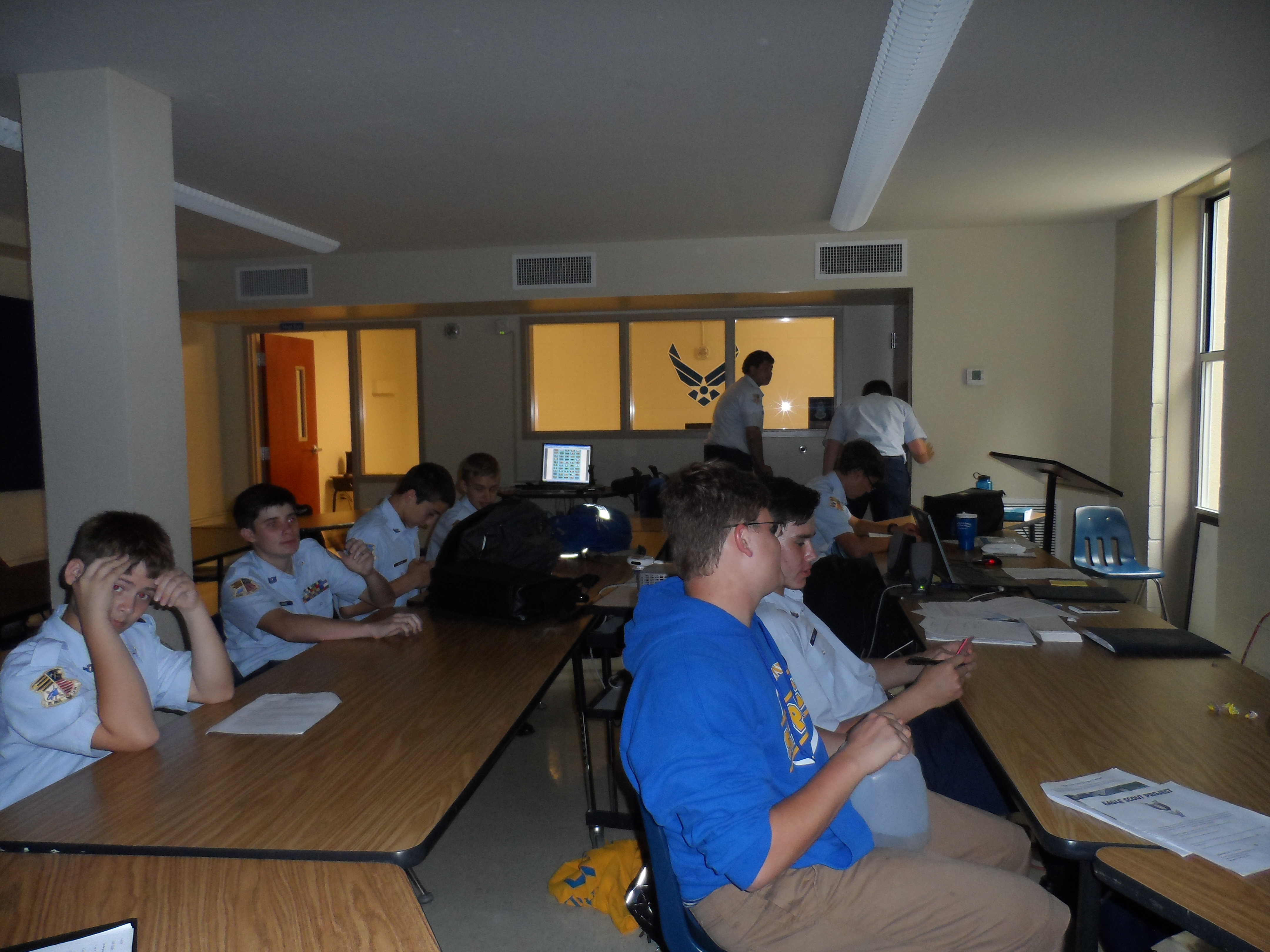
The next inspection will occur this November, which will decide whether or not the program will be allowed to continue based on performance.
“All of the cadets have really buckled down to accomplish a lot this year. We’ve increased drill practice and placed a greater emphasis on creating an efficient, effective program that outdoes last year’s by a great deal. The only thing that I consider a problem is that some of the cadets in leadership positions have begun slacking in their duties, placing the burden on the other leaders to do the work of others,” Arias said.
Despite probationary status, the program continues to perform at football games and flag ceremonies, maintains the flags in founder’s circle, participates in a number of social activities, and is planning its annual field trip.
“We’re required to do (a field trip) once a year, and we try to make it both educational and fun,” East said. “The ROTC program is cadet operated, so we make sure that the students have input on where they want to go. Some of our options are an Air Force base in Texas and the NASA Space Center in Huntsville, Alabama.”
Last year’s ROTC field trip took cadets to Florida to tour Cape Canaveral and spend a day at Universal Studios.
 The Paper Wolf