

Russia launched one of its largest assaults in months, sending 35 missiles and 381 drones flying across Ukraine in a coordinated overnight strike on Oct. 3, 2025.
This attack brings the estimated casualties to 460,000, including 14,116 civilian deaths.
The assault on power substations, gas storage sites, and transmission lines across the Kharkiv and Poltava regions goes beyond the battlefield; it was aimed at crippling the nation’s energy and gas infrastructure.

Russia planned this attack so that many Ukrainian citizens in these regions would suffer through a freezing winter with limited water and electricity, leaving them with little ability to keep themselves warm.
Russia’s hope is that fear, freezing temperatures, and the loss of basic services will wear down Ukrainians’ morale and pressure them into submission, while also forcing the government to divert resources to emergency repairs instead of defending the front lines.
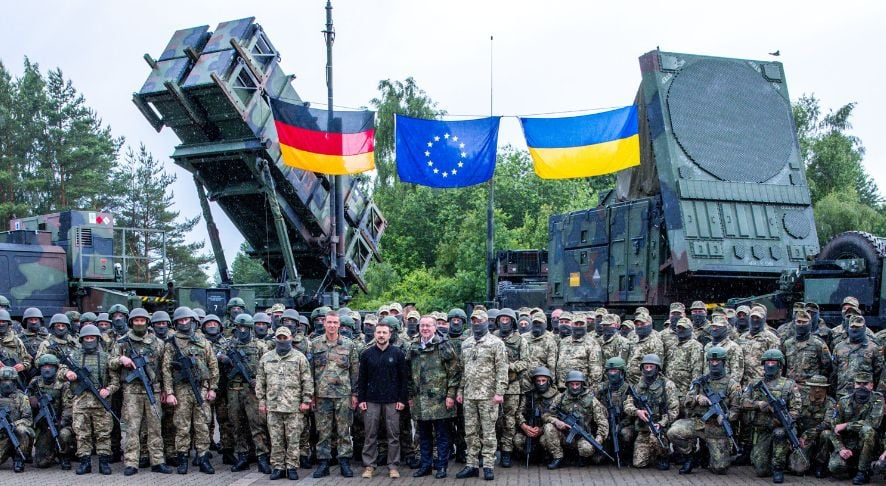
Despite the scale of Russia’s attack, it fell short of what they had intended. Ukrainian air defenses intercepted 303 of the 381 drones and 17 of the 35 missiles.
While several of the targets were damaged, they were quickly repaired. The attack did cause blackouts and infrastructure fires, but it failed to produce the nationwide collapse Russia had planned for.
This attack and response highlights Ukraine’s growing ability to combat Russia’s relentless assaults.

Yet, even as Russia escalates its campaign, Ukraine and its leaders stay determined. President Zelensky said in a nightly address, “Russia continues to try to make the cold a weapon against our people, but we will endure. Every attack only makes us stronger and more united.”
In the hours following the strike, Ukraine responded with its own counterattacks, striking an ammunition plant in the Nizhny Novgorod region, oil terminals in the Crimean Peninsula, and weapons depots tied to Russian army units.
A large Ukrainian drone strike also hit a gas processing plant in Orenburg, Russia. This attack forced the plant to suspend its intake of natural gas from Kazakhstan, resulting in a major fire. The counterstrikes disrupted energy flows and revealed vulnerabilities deep inside Russian territory.
This ongoing cycle of attack and retaliation is rooted in a much longer struggle that began before this war started.
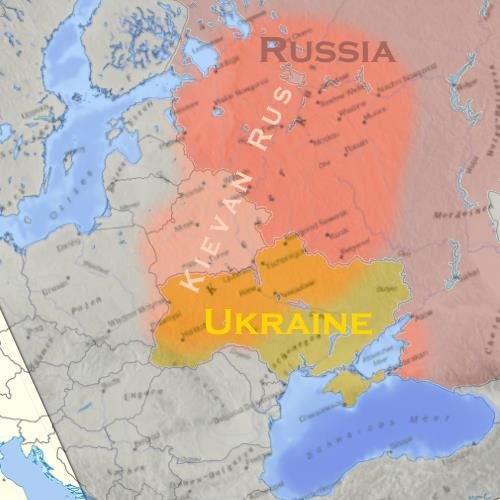
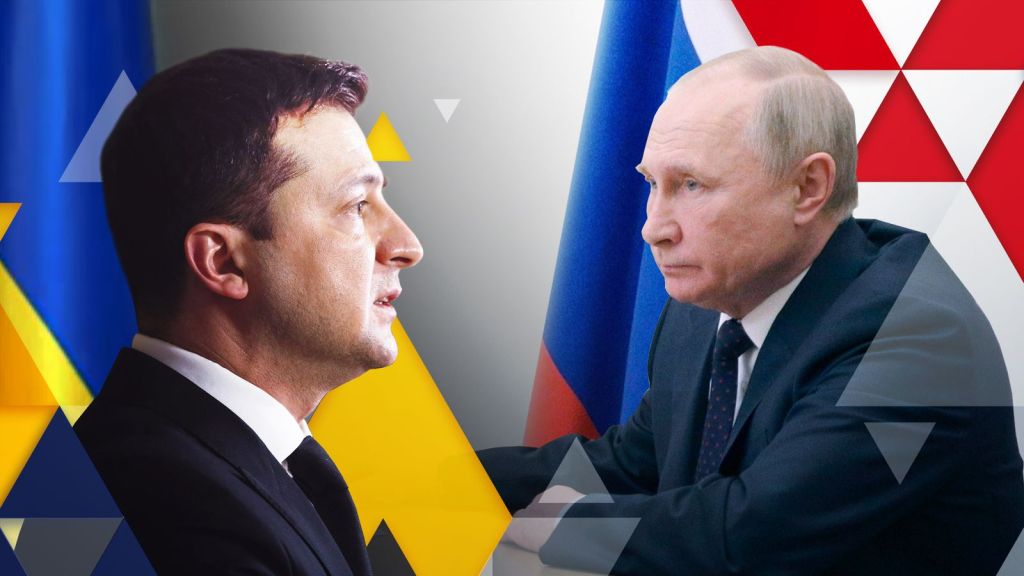
Putin’s desire to control Ukraine isn’t just about land; it’s about power, history, and influence. Putin claims that Russians and Ukrainians are one people.
Putin’s justification for the invasion ties to the medieval state of Kievan Rus. It was a kingdom that existed from the late 800s to the mid-1200s and centered around Kyiv, which is now Ukraine’s capital. While many historians say the countries share similar roots, they developed separately over centuries.
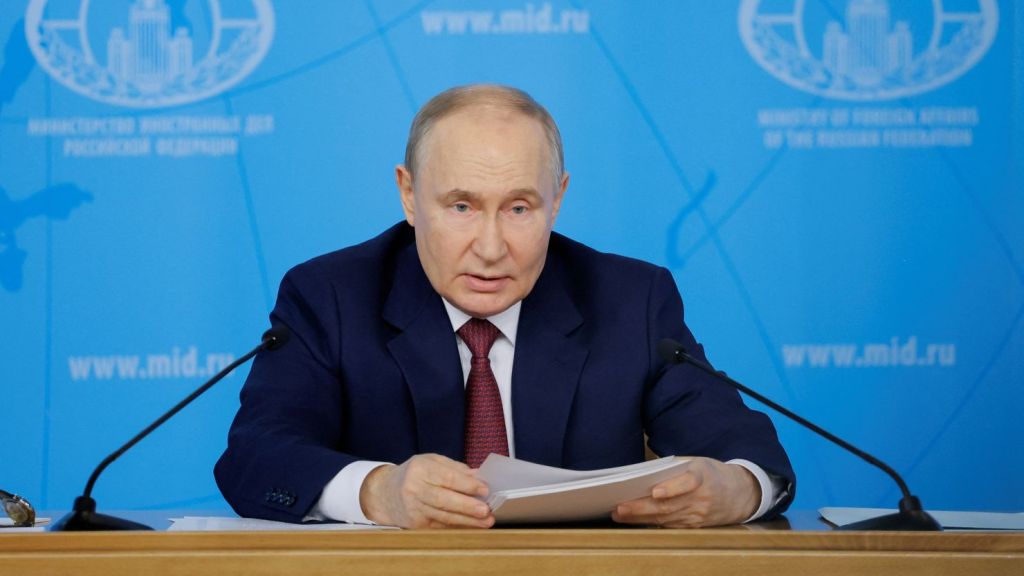
During the 20th century, Ukraine was under Soviet control until the USSR’s collapse in 1991. When Ukraine declared independence, it began turning toward Europe and the West. Putin called the Soviet Union’s breakup a “geopolitical catastrophe,”- viewing Ukraine’s independence and aspirations to join NATO as a threat to Moscow’s power.
Ukraine’s strategic importance also makes it a major prize. Its farmland, industry, and access to the Black Sea would make it valuable both economically and militarily. Controlling Ukraine would expand Russia’s influence over Europe’s energy supply and restore part of its lost Soviet-era power.
Putin also fears NATO’s expansion into what he considers Russia’s backyard.
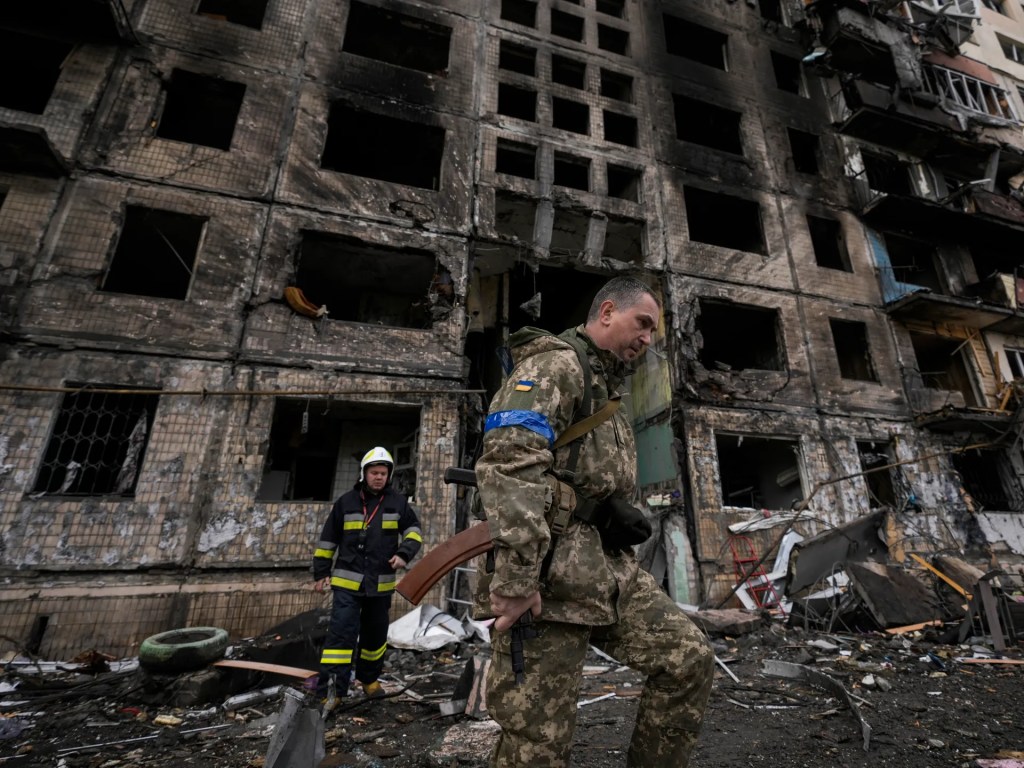
From the first days of Russia’s full-scale invasion on Feb. 24, 2022, Ukraine has faced constant bombardment and shifting front lines. Russian troops advanced toward Kyiv, attempting to overpower the government, but were pushed back by Ukrainian resistance.
By April 2022, Moscow redirected its focus to the eastern Donbas region, capturing Mariupol after a devastating siege that leveled much of the city.
Saint Paul’s senior Aidan McLain still remembers first hearing about the war. “I was in my 10th-grade geography class when the war was announced; all I could think about was whether this would start World War III,” McLain said.
By 2023, the war had turned into a test of endurance. Ukraine’s counteroffensive reclaimed territory in Kharkiv and Kherson, which were some of the most significant gains since the war began.
Progress slowed as Russia targeted Ukraine’s power grid during the winter, attempting to freeze the population into surrender, a tactic that would be used frequently throughout this war.
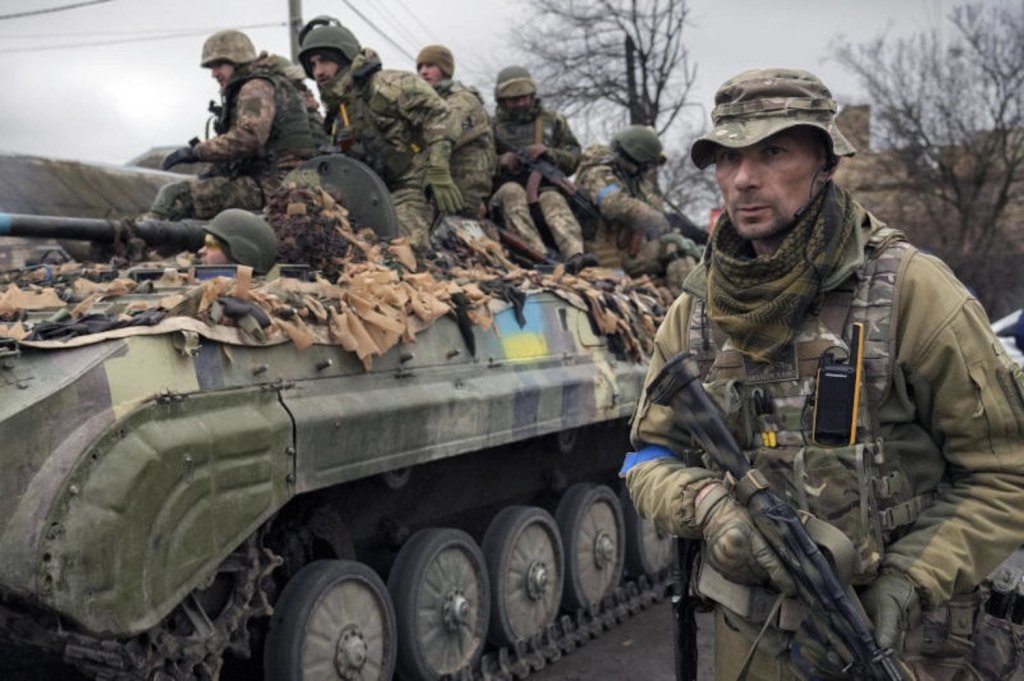
In 2024, Ukraine’s long-range drones attacked Russian oil depots and infrastructure hundreds of miles from the front lines, while Russia focused its forces on civilian areas, including Odesa and Dnipro. The conflict evolved into a war of endurance, with everyone suffering heavy losses and no one achieving a decisive breakthrough; they would just try to wait each other out.
Much of Ukraine’s defense has been made possible by strong international backing. The United States and NATO allies have supplied billions of dollars in military aid to Ukraine.
The United States alone has reportedly spent more than $128 billion on the war in Ukraine.
The European Union has also committed long-term financial support to help Ukraine stabilize its energy grid and rebuild infrastructure. Countries such as Poland, the United Kingdom, and Germany have provided weapons training and humanitarian assistance for displaced civilians.

Under President Joe Biden, the U.S. became Ukraine’s single largest supporter. The U.S. approved tens of billions of dollars in weapons and economic aid through programs like the Lend-Lease Act of 2022 and subsequent congressional packages.
Biden also rallied NATO allies to coordinate deliveries of advanced air defense systems and tank support.

When Donald Trump returned to the Oval Office in 2025, he took a more cautious approach by pausing some military aid shipments and suggesting that future assistance might depend on negotiations aimed at ending the war. His administration’s stance created uncertainty about the future of Western support, but NATO nations continued to provide aid independently.
Many American soldiers volunteer to fight in this war. While the U.S. has not specifically sent soldiers into combat, we still have Americans fighting on Ukrainian soil.
Over the course of this war, nearly 50 American soldiers have fallen.
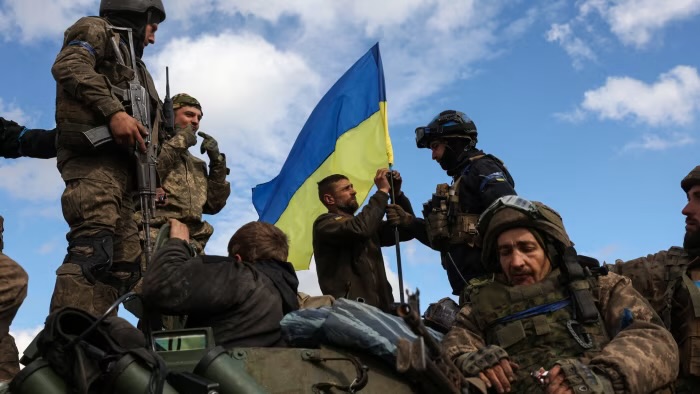
Currently, Russia has resumed large-scale strikes on Ukraine’s energy infrastructure, attempting to weaponize winter.
However, Ukraine continues to resist, striking deep into Russian territory and holding onto its sovereignty despite overwhelming odds.
As the war continues, Russia’s strikes on cities, energy grids, and civilians aim to crush Ukraine’s spirit. However, no matter what is thrown at them, Ukraine refuses to give up.
Russia’s October 2025 assault was one of its largest in months, but it didn’t change the course of the war. Ukraine’s defenses held strong, and its people pushed through.
For many Ukrainians, this fight is not just about defending land, it’s about protecting their right to exist as a free and independent country.
“The situation in Ukraine draws striking similarities to the War of 1812. Back then, America was simply a struggling country wanting to keep its sovereignty, just like Ukraine is now,” Saint Paul’s senior Jordan Crouch said.
Now, even after years of fighting, the message from Ukraine is clear: their cities may be broken, but their spirit is not.
–
Featured Image Photo Credit: AP Photo/Efrem Lukatsky
 The Paper Wolf