
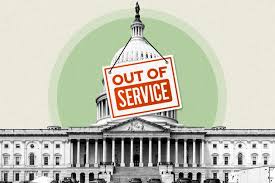
After 43 days, the federal government has ended the longest shutdown in U.S. history.
Since Congress remained in disagreement over budgets beginning on Oct. 1, 2025, an estimated 730,000 federal employees across America worked without pay (this is called being furloughed, “furr-lowed”), and other public services nationwide were halted.
What is a government shutdown?
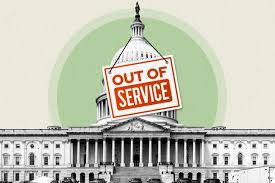
A government shutdown is when the federal government stops or reduces non-essential services and operations due to a lack of funding. When Congress fails to pass the necessary funds and the president doesn’t want to sign off on them, it leads to the suspension of many government operations, which is why it’s called a “government shutdown.”
Some of the key stakeholders in the government shutdown are Congress, the president, and the federal agencies.
Within Congress, the House of Representatives and the Senate typically have different rules, which makes an agreement on government spending more difficult. Both parties use the threat of a shutdown as leverage in negotiations over policy and the spending goals.
The president, along with the Office of Management and Budget (OMB), typically proposes budgets and negotiates with Congress. The president also works with the executive branch. Their job is to implement lapse plans when the funding ends, which are plans that determine who is considered “expected” versus furloughed and which operations are continued.
Federal agencies must plan for a shutdown. They also have a say in identifying who can work and who must halt and scale back operations, as well as managing contracts and grants.
Who was affected by the government shutdown?
The shutdown mainly affected two groups of people. The first group is the non-essential staff. When the shutdown occurred, non-essential workers were instructed not to report to work and were not paid. Around 670,000 non-essential workers throughout America were without their jobs and were wondering when they would be able to return to work, or in some cases, if they would.
The second group of people is the essential employees. During the shutdown, about 700,000 essential employees were furloughed. This group can be considered the worst affected by the shutdown because they were still required to work without pay. Air traffic controllers, TSA agents, and even FBI agents are prime examples of individuals forced to work without pay, which sparked significant backlash.

“A lot of people who work for the government live paycheck-to-paycheck, and since many aren’t getting paid, they don’t have a way to pay for things like groceries, rent, or other necessities. No matter where your political ideologies lie, this was a problem, and it needs to be resolved soon,” said Saint Paul’s junior Eli Underwood during the shutdown.
However, since the shutdown has ended, all are guaranteed to receive back pay.
According to the Congressional Budget Office (CBO), the total payback to the Government is $400 million every day the Government was shut down. And because the shutdown started on Oct. 1, 2025, and ended 43 days later, the Government will have to pay back billions to keep all workers satisfied.
How long do the shutdowns usually last?
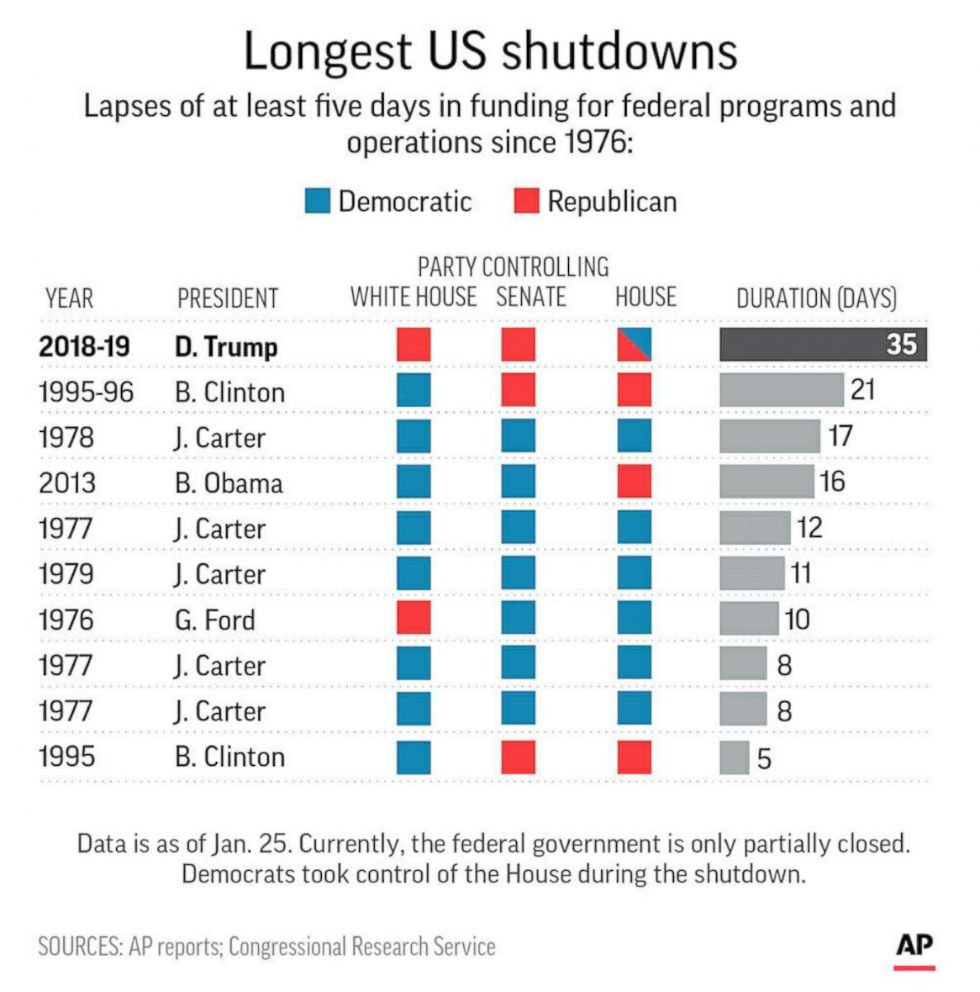
The last shutdown occurred in 2018-19 during President Donald Trump’s first term and lasted 35 days; that shutdown was triggered by a dispute over the expansion of barriers on the U.S. border. There have been other shutdowns, such as the one in 1995-96, which lasted 21 days. Due to this shutdown lasting 43 days, this is marked as the longest shutdown in U.S. history and has created many difficulties.
“Many government employees had to find new jobs to support their lifestyle and their families, and since the shutdown is over, I imagine many may not come back to their government jobs because they realize how much of a risk it is,” Saint Paul’s junior Ethan Cocus said.
How was this shutdown solved?
The first step used to solve the government shutdown was for the president and congressional leaders to negotiate the terms of funding and align their priorities. After that, lawmakers drafted and proposed a Continuing Resolution (CR), which is a bill that specifies funding levels and policies.
This bill then needs to be passed by the House of Representatives and the Senate. Sometimes, a temporary reopening of the government might be passed. A temporary reopening actually benefits the government because it shows and reassures workers that steps are being taken to fix the shutdown, leading to less public backlash and even buying more time to negotiate.
Following the passing of the CR, the president signed the funding bill into law, which officially ended the shutdown. Once the president signs the funding bill, federal agencies resume operations, and the furloughed employees are recalled and receive their pay back.
Since the shutdown is over, lawmakers are now working on the longer-term budget agreements to avoid future shutdowns.
Featured Image Photo Credit: Politico
 The Paper Wolf