
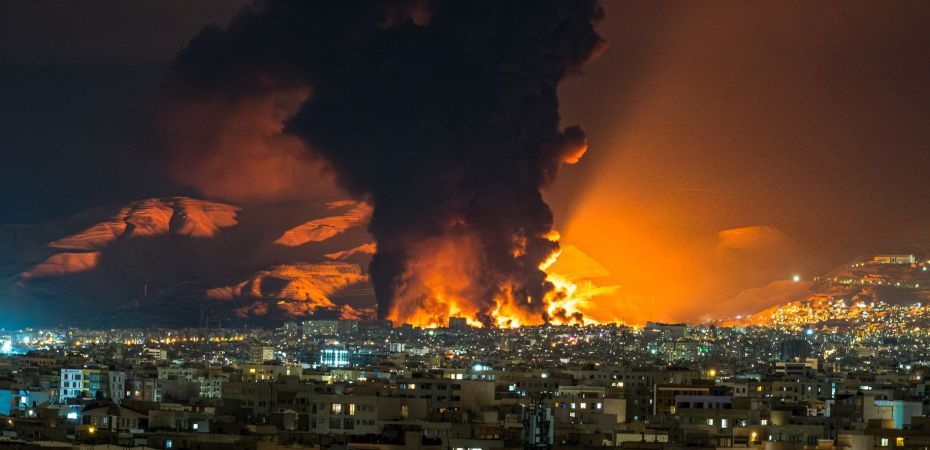
The United States of America and Israel started an ongoing barrage of Iran via bombing and cruise missiles starting Feb 28, 2026, as was announced by U.S. President Donald Trump. These attacks came as a surprise to most people.
These strikes are aimed at destroying Iranian nuclear facilities and military infrastructure in major cities such as Tehran and Minab.
President Trump said multiple times before that Iran cannot be allowed to have nuclear weapons because of past events and decisions. In addition, he claimed he would not be afraid to take action to make sure that Iran would not be allowed to have these weapons.
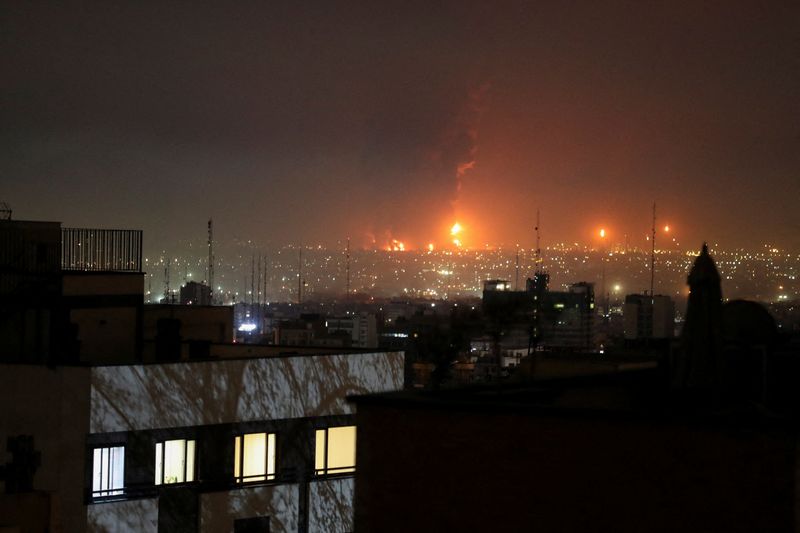
Photo Credit: Reuters/WHBL
During these coordinated attacks, dubbed “Operation Epic Fury,” the United States and Israel have together launched between 2000 and 4000 munitions and have struck approximately 2000 targets together.
One of the major targets that was struck is the bunker of the former supreme leader of Iran, Ali Khamenei. His death occurred during the initial attacks from the U.S. and Israel and was confirmed by President Trump via social media later the same day.
There have also been reports that the U.S. struck the building in Qom, where a meeting of major leaders was taking place to select the new supreme leader. It was not clarified, however, whether any major leaders were injured or killed.
Mojtaba Khamenei, son of the late Ali Khamenei, was elected as his father’s successor as the supreme leader of Iran on March 8, 2026.
President Trump has stated that he is very disappointed with Iran’s selection of their new supreme leader because Mojtaba shares a lot of his father’s values. Trump also said this decision is unacceptable, and he has also reportedly called him a “lightweight,” referring to him as a weak or illegitimate leader.
Many people have also voiced their concerns about missiles going off course and hitting unintended targets, putting innocent civilians in harm’s way, and occasionally killing them.
Saint Paul’s junior, Aiden Workman, believes these deaths are justified. “Personally, I don’t agree with most modern wars. Too many civilian casualties are labeled as necessary. To me, this is an exception, as we’ve only aimed to hit military bases and strategic targets, and Iran has been an active threat to our national security for years,” Workman said.
Another concern that these attacks have sparked is that these attacks will start another world war because of the alliances that Iran has.
Some of these countries include Russia, China, and North Korea. These countries are important because, historically, there have been light but clear tensions between them and the United States.
China has publicly said that it will not support Iran but will continue to trade and send humanitarian aid to Iran.
The last major concern is the prices of everyday necessities, such as gasoline, groceries, and imported goods. The price of gas has already gone up noticeably.
Saint Paul’s junior Ethan Cocus is very concerned with these rising prices. “So far, the first thing everyone has noticed is the soaring gas prices. As a broke teen, I can say that this has a huge effect on all of us because now we have to put more of our money towards gas,” Cocus said.
Gas prices have increased by 70 cents, reaching a national average of $3.58 per gallon. Locally in Louisiana, prices have increased by 55 cents, reaching an approximate average of $3.26 per gallon.
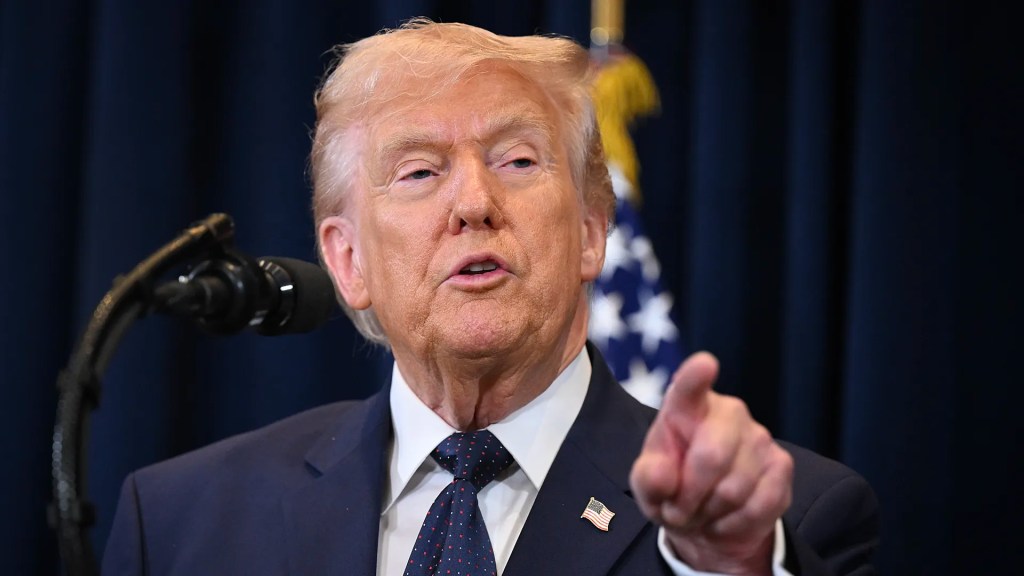
Photo Credit: Schmidt/Getty Images
Many people who oppose the attacks have claimed that the attacks were wrong because the United States and Israel have no legitimate reason to attack Iran, but President Trump disagrees. Trump claims that Iran was a threat to national security due to their public demonstrations of American hate, which include burning the American flag in government meetings and chants that translate to “Death to America.”
Another reason that Trump uses to justify these attacks is that Iran was suspected of developing nuclear weapons. Trump has previously said that Iran was not going to be allowed to have these weapons.
Many Americans claim that Iran has a right to develop these nuclear weapons, as it is their own business, and the U.S. has no right to stop them from doing so.
On the other hand, the reaction inside Iran remains deeply fractured. While some who oppose the Islamic Republic express hope that foreign strikes might finally degrade the regime’s capacity for domestic repression, others are paralyzed by the escalating humanitarian toll. As explosions continue, many Iranians find themselves caught in a precarious position.
As of last week, 4519 people have died due to these violent protests in Iran in the past couple of months.
The violence stems from police and troops firing into the protests that civilians are having targeted against the government.
The demonstrations began in late December 2025 in Tehran as frustration grew over Iran’s worsening economic crisis. Rising inflation, the rapid decline of the Iranian rial, and increasing food and fuel prices have made it difficult for many citizens to afford basic necessities. As a result, there have been protests across dozens of cities demanding economic reforms and political change.
Many Iranians say that the cost of basic necessities such as food, fuel, and housing has increased dramatically over the past year. The economic collapse has been partly linked to international sanctions and the effects of conflict in the region.
As the conflict continues, the long-term outcome of the strikes remains uncertain. Supporters of the attacks argue that weakening Iran’s military and nuclear capabilities is necessary to protect national security, while critics warn that continued escalation could pull additional countries into the conflict and worsen the humanitarian problems already unfolding inside Iran.
With tensions rising between major global powers and economic effects beginning to reach everyday citizens through rising prices and instability, the situation has quickly become one of the most consequential international crises in recent years. Whether the attacks lead to the collapse of Iran’s current leadership, a negotiated settlement, or a wider regional war will likely shape global politics and security for years to come.
Feature image photo credit: RANE Worldview
 The Paper Wolf